
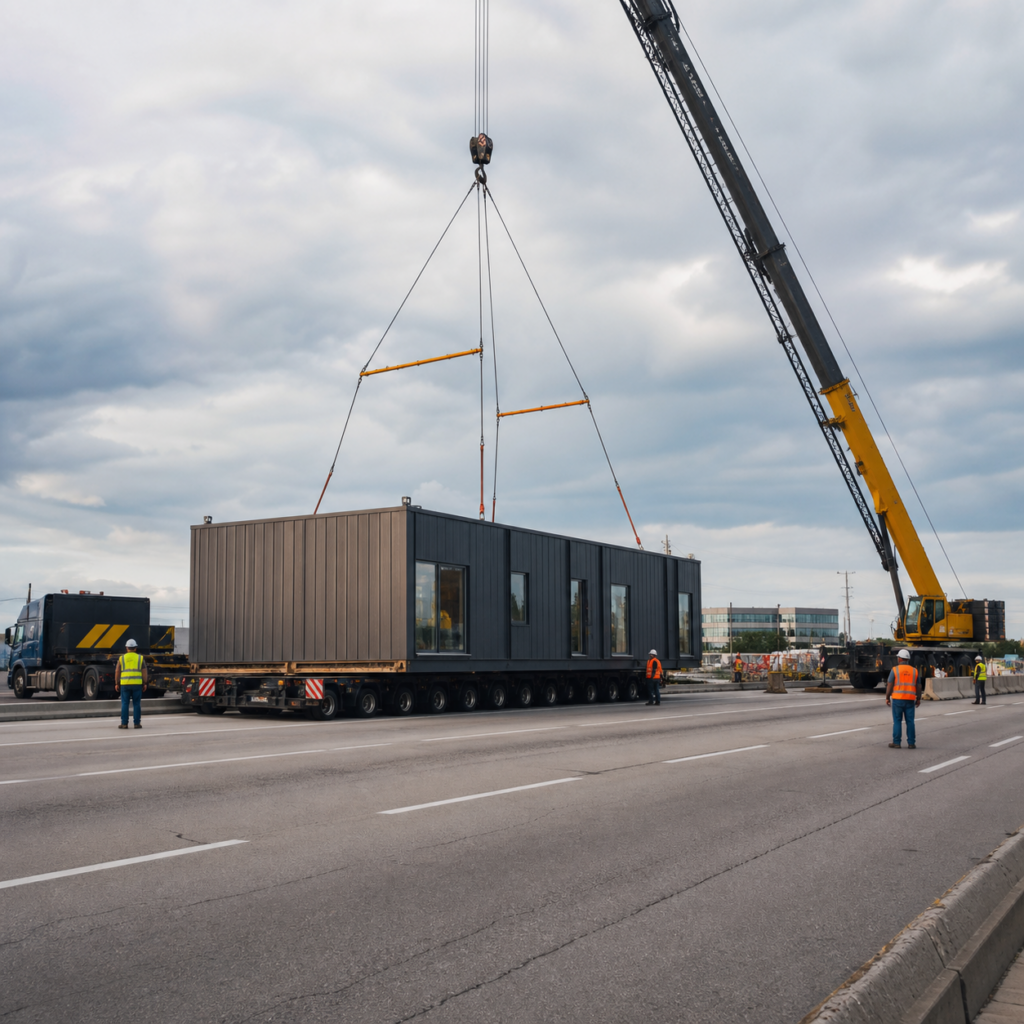
How Modular Buildings Are Delivered and Installed
Modular buildings are transported to a prepared site, lifted or placed on foundations, connected, finished, inspected and closed out for occupancy.
Read the complete guide →MODTECH INDUSTRY LEARNING CENTER
Modular buildings are transported to a prepared site, lifted or placed on foundations, connected, finished, inspected and closed out for occupancy.
Read the complete guide →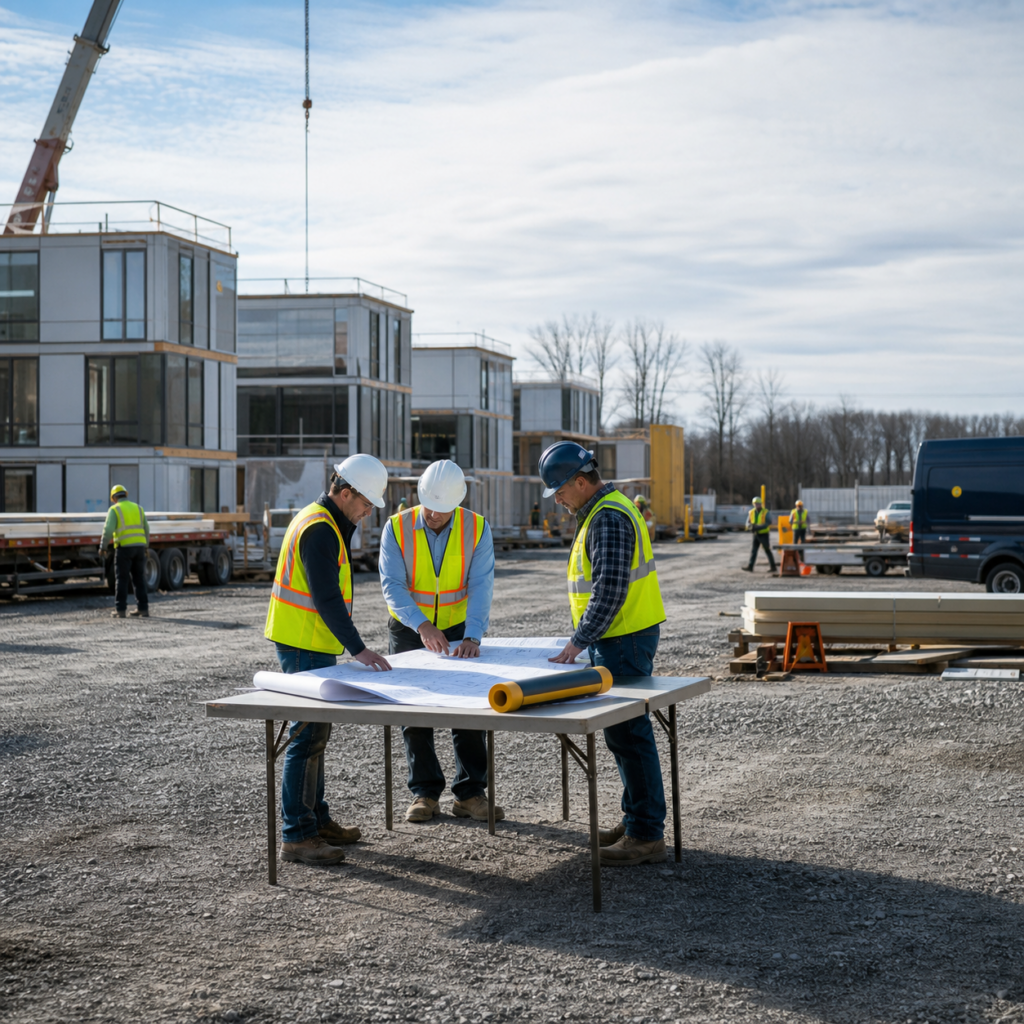
Lease, finance or buy a modular building based on the length of need, customization, capital plan, ownership goals and complete project obligation.
Read the complete guide →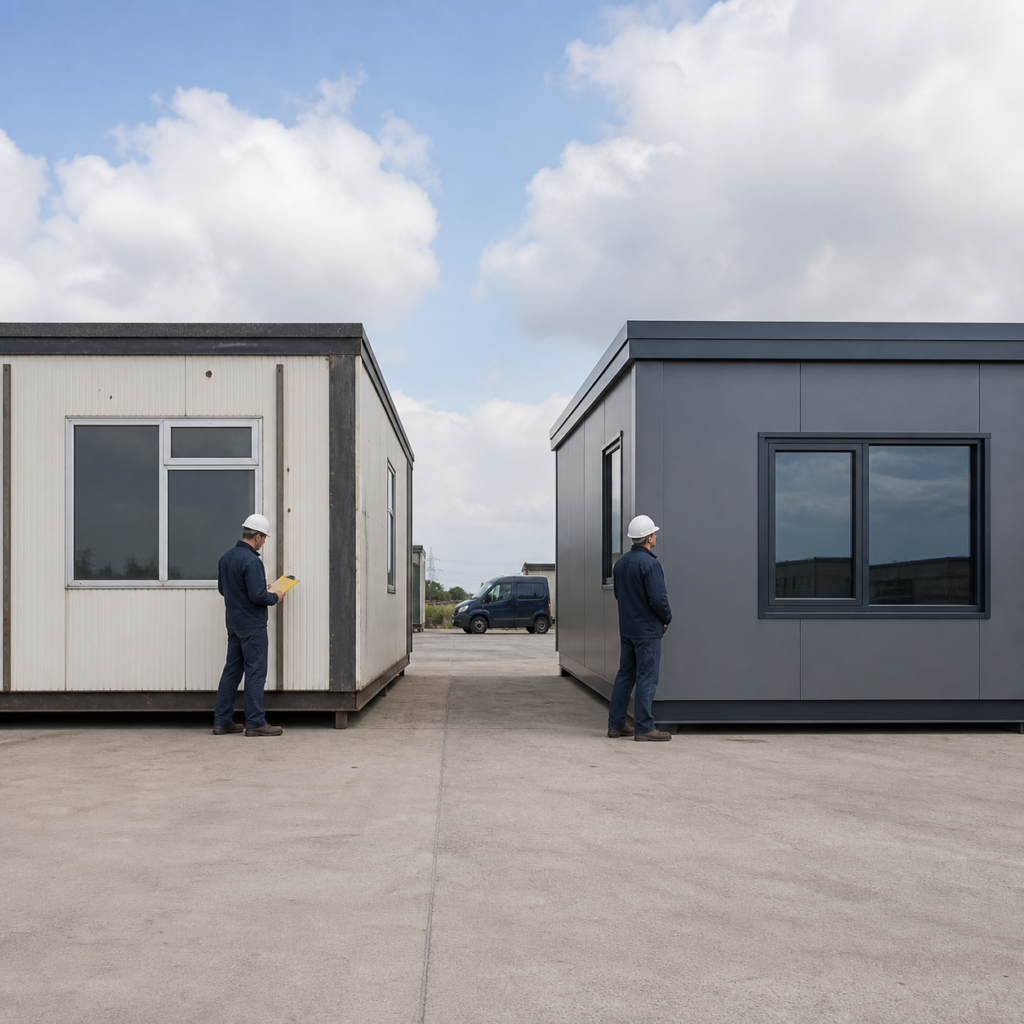
Choose a new or used modular building by fit, condition, approval path, customization, delivery and total installed cost—not purchase price alone.
Read the complete guide →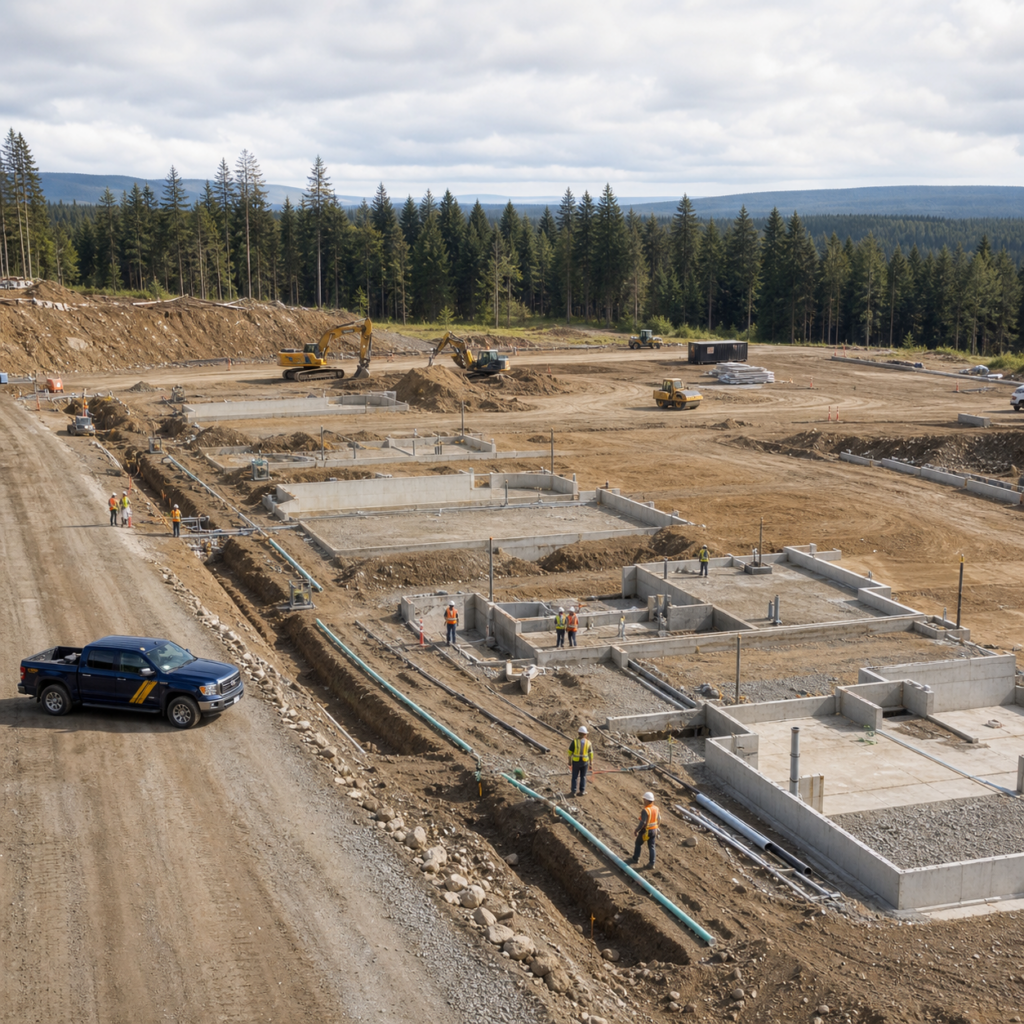
Modular building site preparation covers access, earthwork, drainage, foundations, utilities and the conditions needed for safe delivery and occupancy.
Read the complete guide →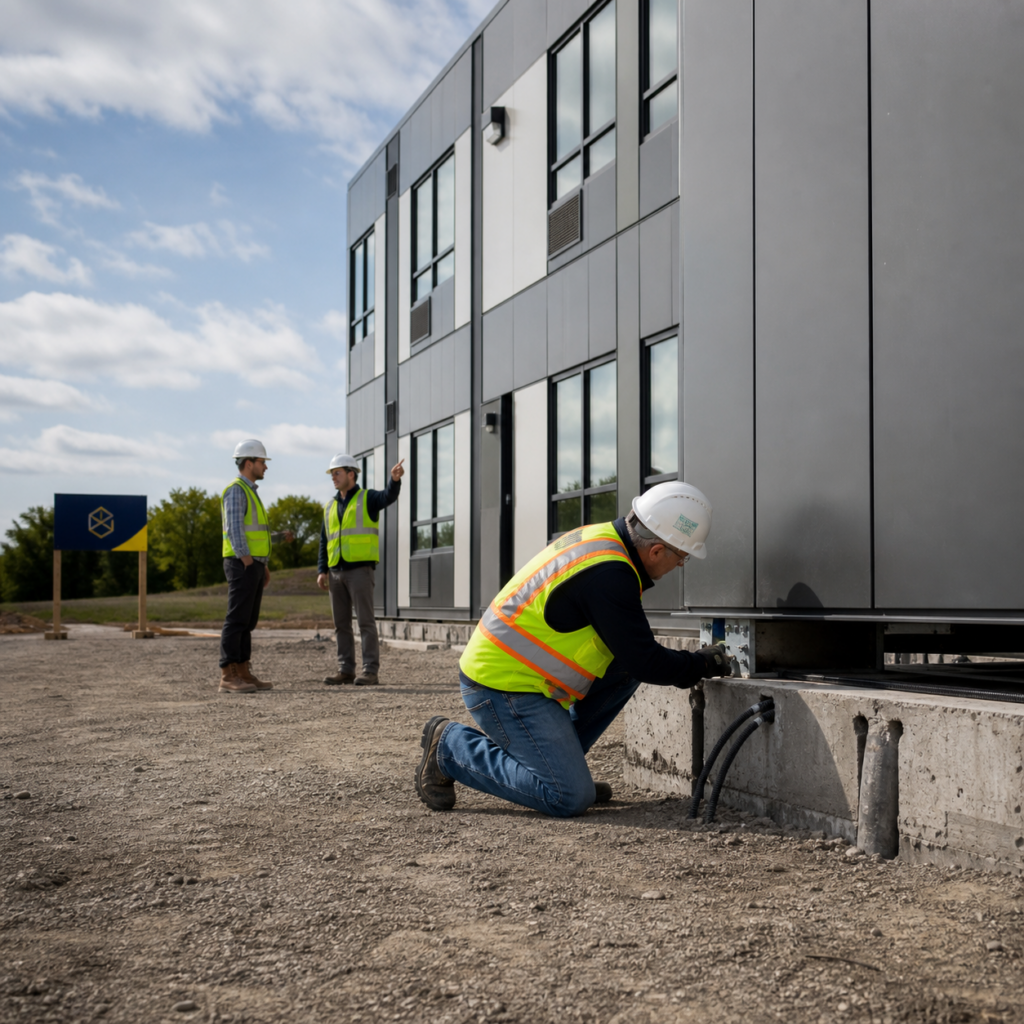
Modular buildings still require the codes, permits and inspections that apply to their intended use, design and final project location.
Read the complete guide →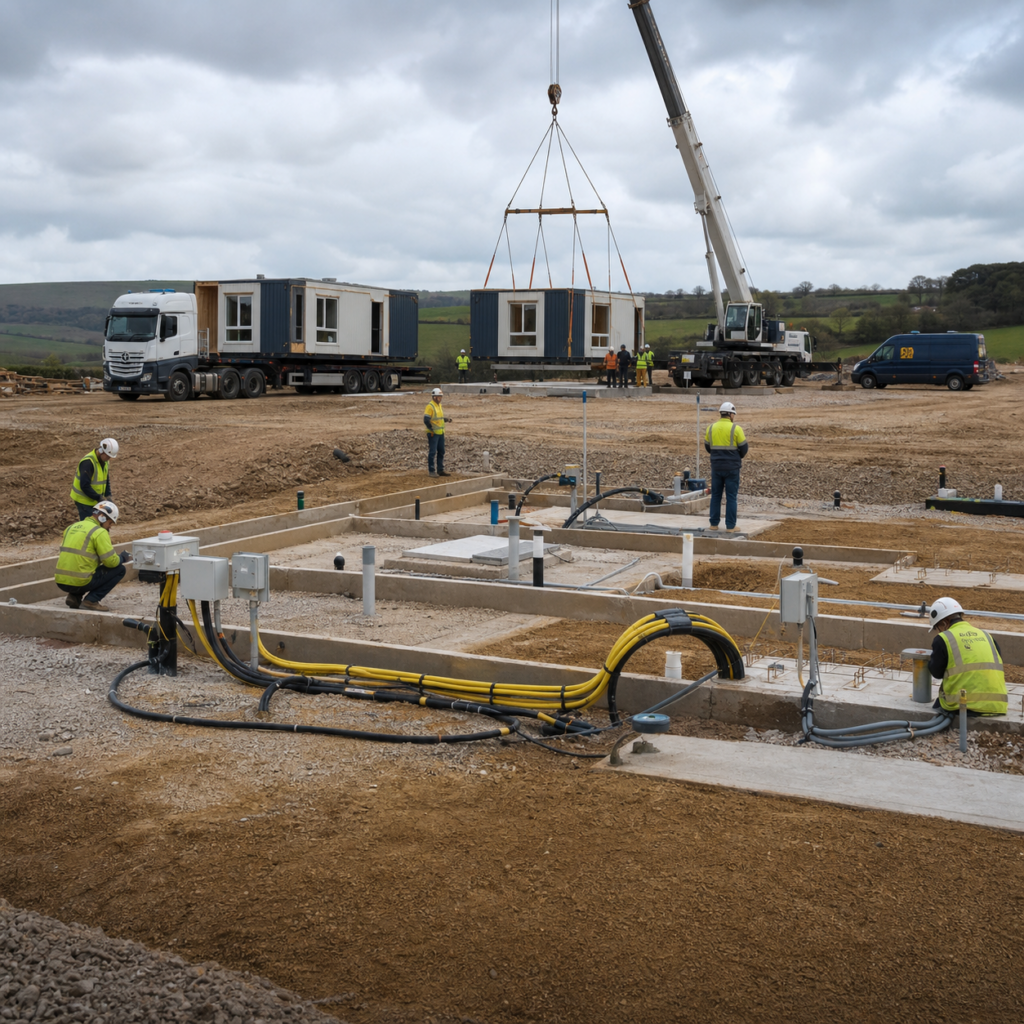
A modular construction timeline depends on design release, approvals, factory capacity, site readiness, delivery, installation and occupancy closeout.
Read the complete guide →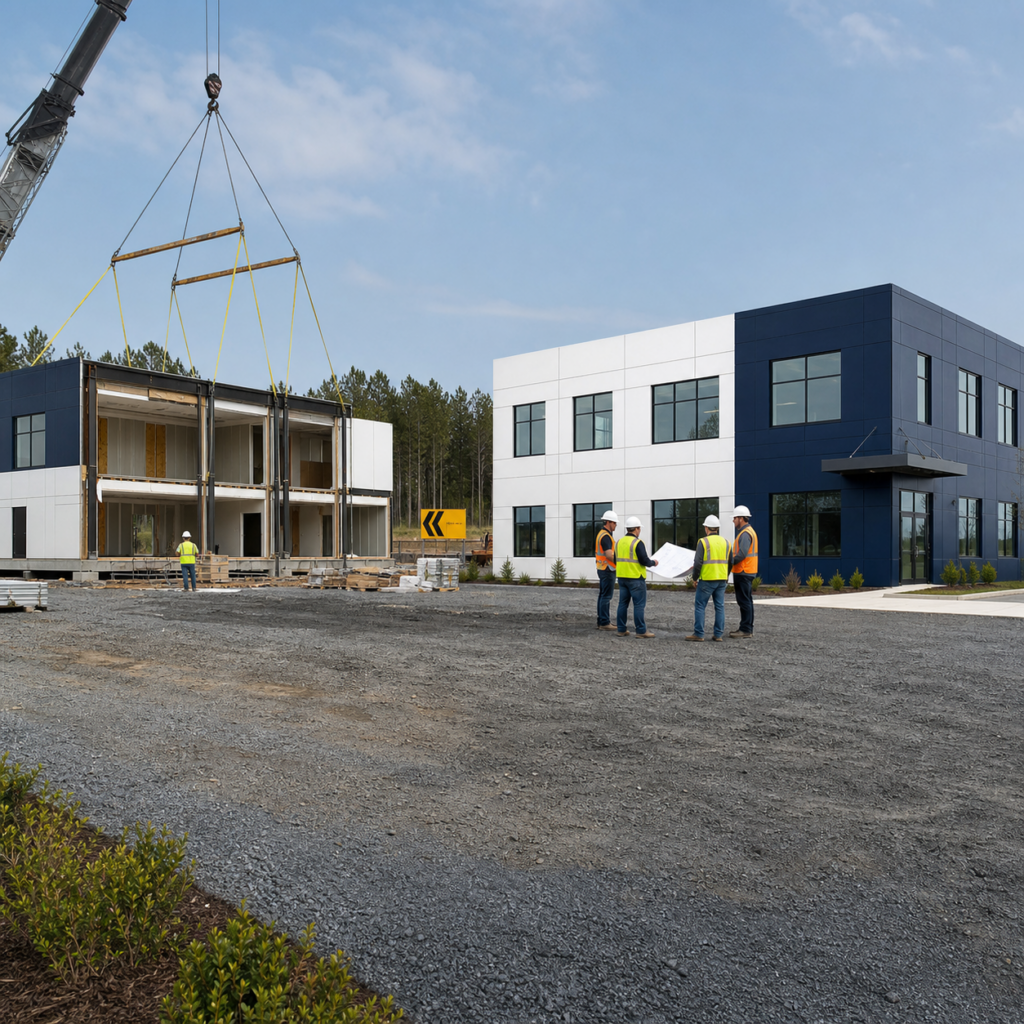
Choose a temporary or permanent modular building by length of need, site strategy, customization, ownership goals and end-of-use obligations.
Read the complete guide →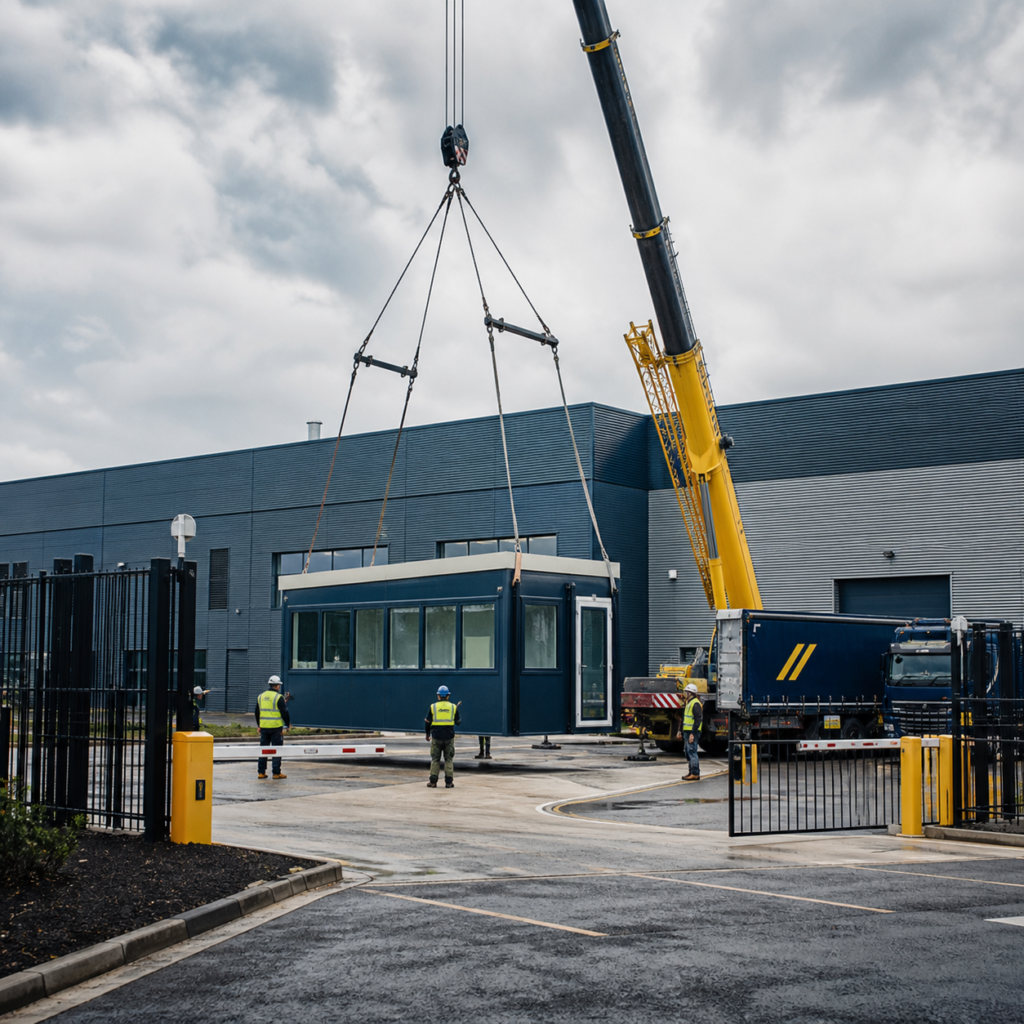
A modular guard house works best when its location, sightlines, lane controls, security systems and staff needs are designed as one entrance operation.
Read the complete guide →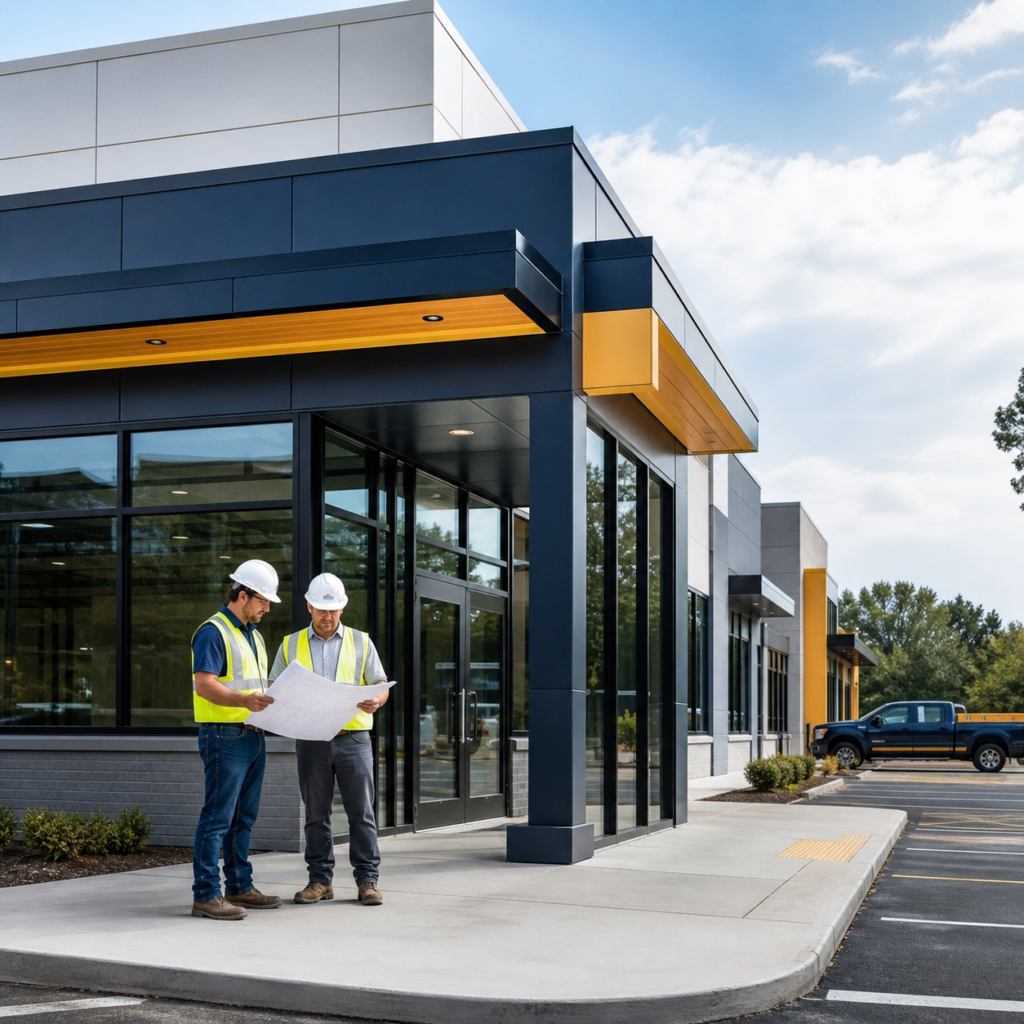
Modular retail and restaurant projects succeed when the building, brand, customer flow, operating equipment and site utilities are planned together.
Read the complete guide →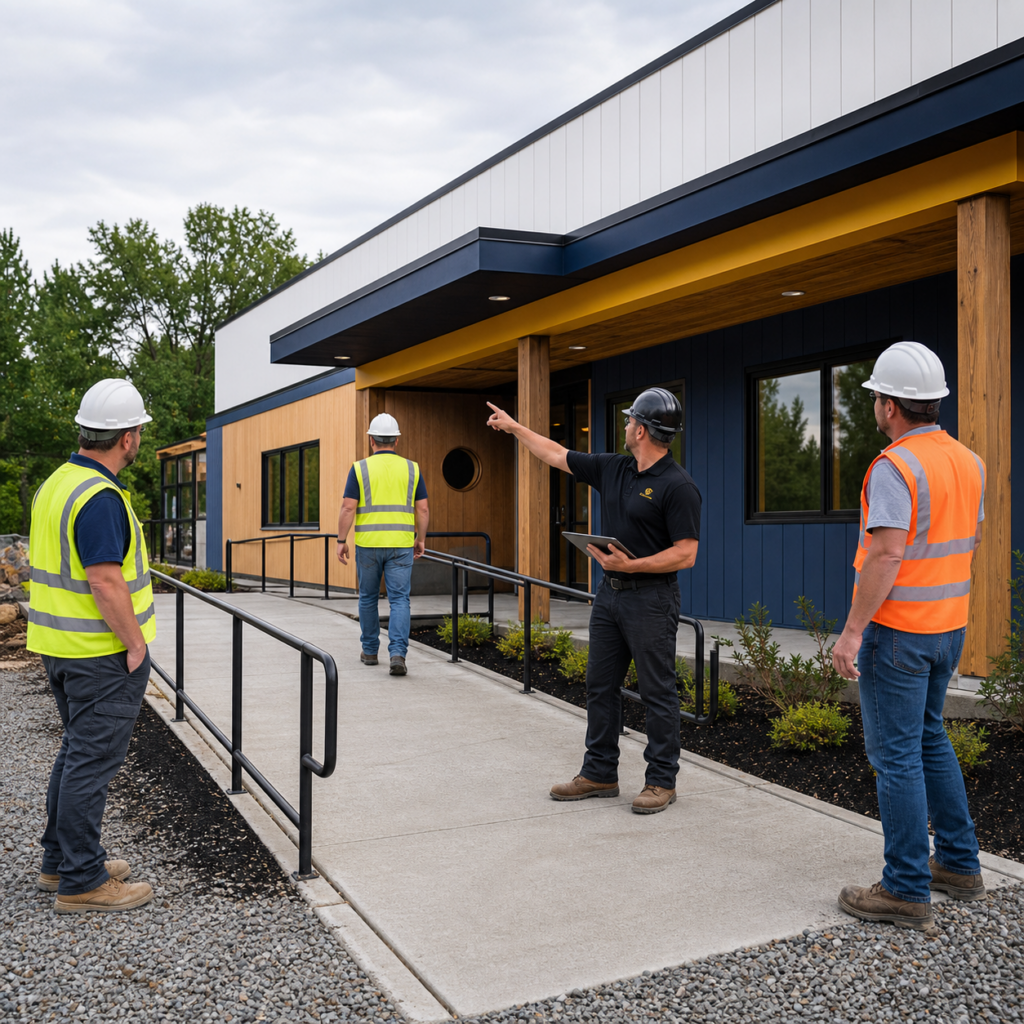
A modular daycare building should be designed around supervision, secure movement, age-group needs and the approvals required for the actual childcare program.
Read the complete guide →Planning a modular building? Share the location, intended use, approximate size and schedule to compare current options.