
Practical instruction needs space that works when the equipment comes out. Find modular classroom prices for an Indiana teaching program with the activity, equipment and supporting services identified. A general classroom may be a useful starting point, but it should not be priced as the final answer to a specialized lesson without examining what that lesson involves.
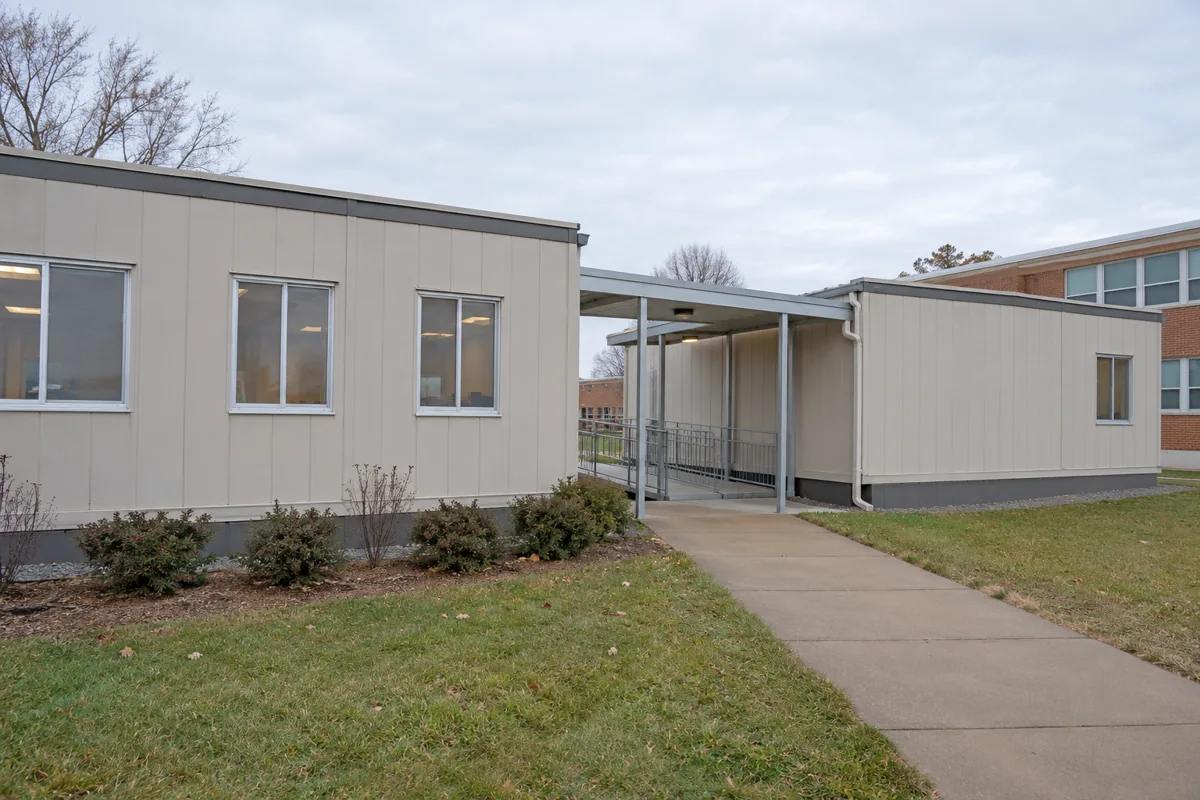
For the wider project picture, explore Indiana modular buildings alongside your classroom space plans.
Describe the activity before naming the room
Labels such as training room or project classroom leave plenty open to interpretation. Explain what students will do, how many participate together and what the instructor needs to demonstrate. Include the equipment dimensions and how materials enter and leave. A provider can then distinguish an ordinary furnishing choice from a requirement that affects the building design.
Ask the school's responsible specialists to identify any particular ventilation, electrical, plumbing or safety needs. Do not assume that a standard room package accommodates them. Record what must be assessed and who will supply the technical requirements. The purpose of the early brief is to expose those questions while alternatives can still be considered, not to solve technical design through guesswork.
Allow room for the work around the lesson
Preparation and cleanup can use substantial space even when they occupy little teaching time. Decide where equipment waits before use, where materials are secured and how the room is reset. If the same room serves another class afterward, test that changeover explicitly. A plan that relies on staff moving bulky items through occupied teaching areas may need another look.
Review specialist classroom layouts with the full activity cycle marked. Include instructor access to students and the path used to bring in supplies. For your Indiana school, the best configuration may be a practical room connected to ordinary teaching space rather than one room expected to handle everything. Ask for that alternative when it answers the program more clearly.
Keep equipment costs and building costs connected
Confirm which items the school will supply and which are included in the modular classroom package. An owner-supplied machine can still create building work, so do not remove it from the design discussion simply because another budget pays for it. Give the project team the necessary information early enough to coordinate connections and placement.
Before comparing final offers, check that each reflects the same instructional use and equipment assumptions. If a lower-priced alternative changes the way a lesson is delivered, involve the teaching team in that decision. Savings are useful when the room still supports the program. They are less useful if the school must quietly drop an activity to make the purchased space work.