
Workforce courses often combine theory, demonstrations and supervised practice, but not every trade activity belongs in a general classroom. A Terre Haute modular classroom needs a defined training boundary before utilities, finishes or capacity can be compared responsibly.
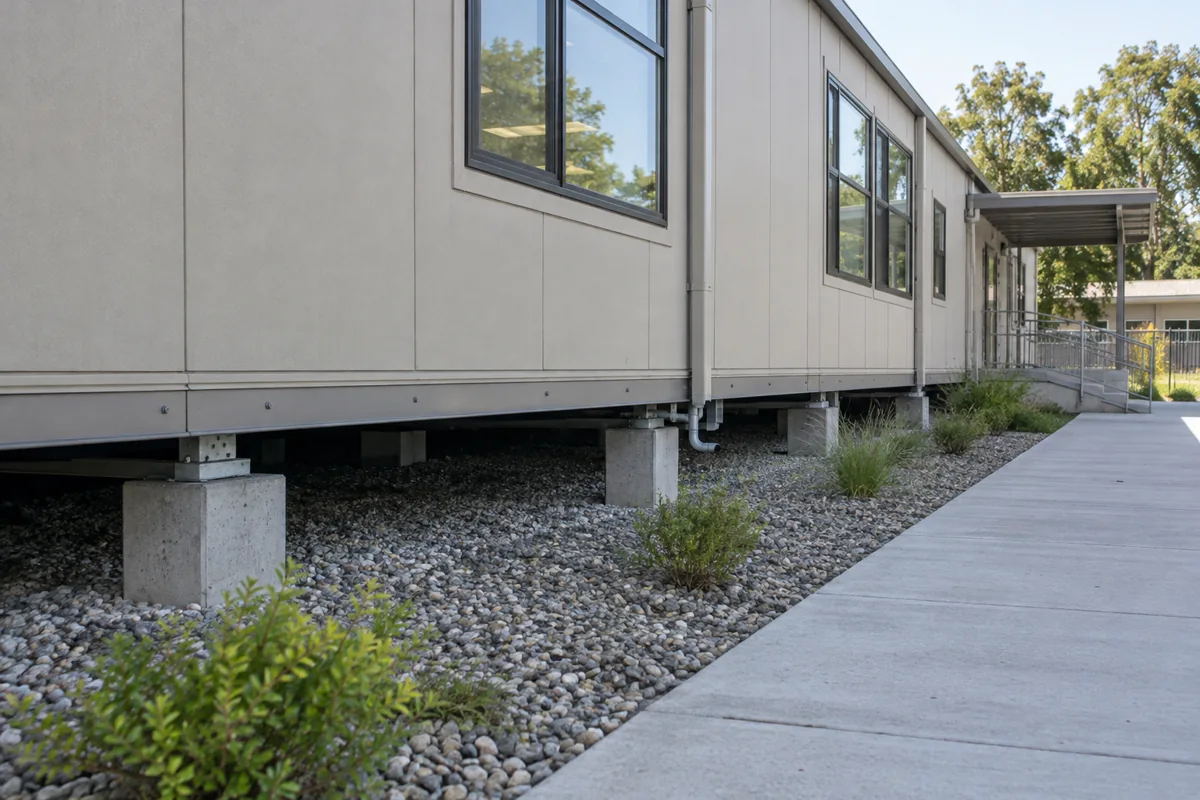
For the wider project picture, explore Indiana modular buildings alongside your classroom space plans.
List the tasks the room will actually support
Identify representative lessons, class size, tools and consumables. Separate seated instruction from low-risk practice stations so students can listen without clearing every work surface. Accessible participation should be designed into both formats.
Indiana requirements, the Terre Haute site and the sponsoring program require qualified education and safety review. The classroom layout guide can help teams test theory seating, demonstrations and material movement.
If a course requires fumes, dust, heat, heavy machinery or special power, obtain specialist design rather than stretching a generic classroom description. State which activities happen elsewhere. That boundary protects students and keeps proposals from pricing different levels of facility.
Document the normal demonstration group as well as the enrollment total. Every learner needs a safe viewing position, and the instructor should be able to stop work without crossing an active station. Provide a place for personal protective items only after the verified course specifies what is required.
Control equipment, parts and unfinished practice work
Use labeled storage for ready tools, consumables and completed exercises. Provide a separate hold position for damaged equipment or work awaiting instructor inspection. Deep mixed cabinets make inventory difficult and can hide unsafe items.
Power and data should follow a verified equipment list, with safe cable routes and service access. The modular classroom options provide broader context for education and training buildings.
Test the end of a session. Students may need to return tools, clean stations, store work and collect personal gear while the next group enters. A preparation counter lets instructors stage materials without using an active practice bench. Assign waste and material handling according to the actual course rather than assuming ordinary classroom disposal is sufficient.
Separate building price from training inventory
Ask providers to identify partitions, reinforced supports if verified, lighting, electrical capacity, data, ventilation, climate systems, accessibility work and fixed cabinets. Tools, machines, benches, safety equipment, computers and consumables remain owner-furnished unless expressly named.
Use the modular building cost guide to account for freight, foundations, utilities, site preparation, entrances, setting and closeout. Equipment delivery, inspection, commissioning and instructor training need separate responsibility.
When Terre Haute educators can trace every lesson from setup through tool return and cleanup, they can compare modular classroom prices using a credible room program. The facility should support real skills without making unverified promises about specialized capability.