
Get useful classroom options without having every building detail settled first. Request modular classroom prices for Evansville with a clear description of the class that needs space. The school can compare possibilities while keeping open choices visible, rather than either guessing a finished specification or postponing the discussion entirely.
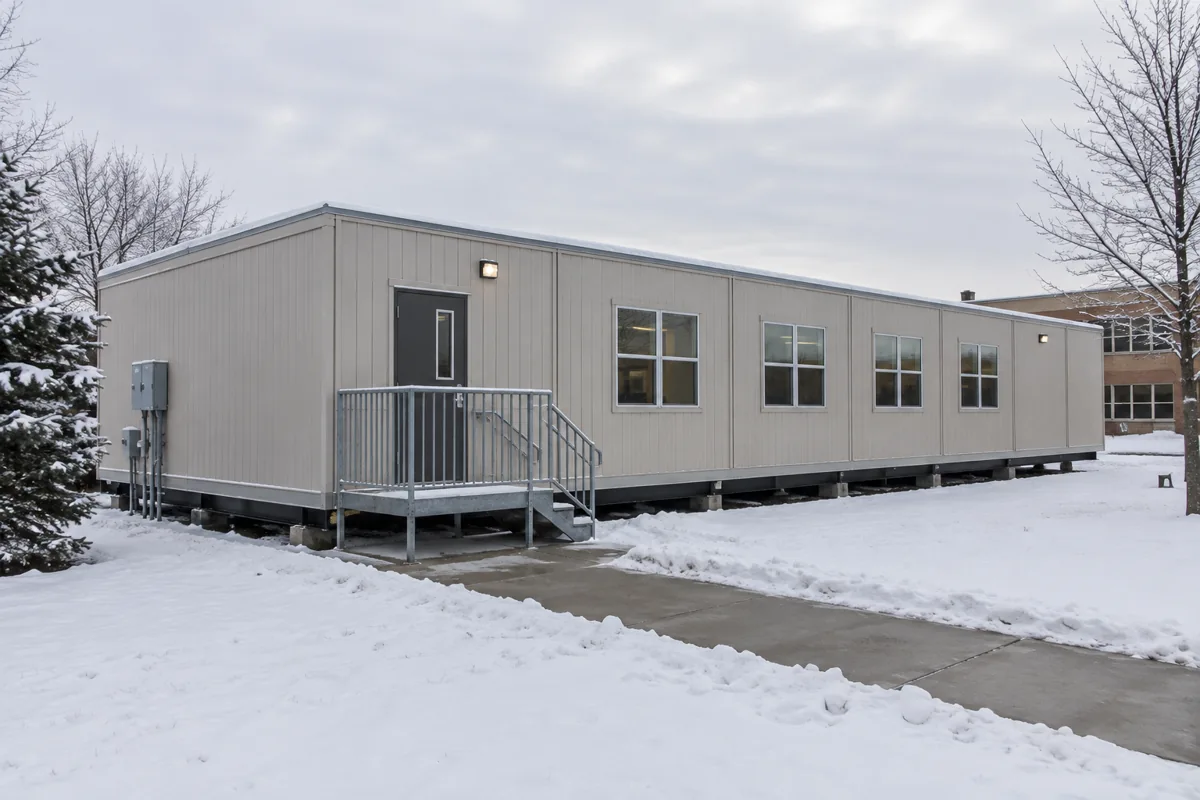
For the wider project picture, explore Indiana modular buildings alongside your classroom space plans.
Describe the need in familiar terms
Explain the teaching group, regular activities and significant resources. Staff don't need to invent technical answers to say what the room must support. A practical description of an ordinary lesson gives providers more to work with than a broad request for additional space.
Identify what is confirmed and what remains a preference. School-owned furniture may be available, while a proposed new resource may still need approval. Keeping those separate prevents an early layout from turning a possibility into an assumed purchase.
For example, a department may be considering a separate materials area. Explain its purpose and ask how different configurations could address it. The requirement might be met in more than one way; the first idea does not have to become a fixed feature before alternatives are discussed.
Use layouts to make the choices concrete
Review classroom layout ideas with significant furnishings shown. Ask staff what each option changes during instruction. An empty drawing can conceal practical differences that become obvious once resources are represented.
Your Indiana school can compare modular classroom buildings against the same core need. If a suggested alternative changes a teaching assumption, discuss that explicitly rather than treating every different plan as an equivalent offer.
Let the relevant project parties identify further technical information they require. A preliminary discussion is useful, but it does not establish suitability, permission or every detail needed to proceed.
Keep new questions attached to decisions. If choosing a fitting requires confirmation of school equipment, name the missing information. That helps the conversation advance instead of accumulating a long list of vaguely unresolved details.
Keep a short record of why a choice was made. If the staff selected a particular arrangement to support daily materials, later purchasing discussions should retain that reason rather than treat the fitting as an unexplained extra.
Turn the preferred option into a clear offer
Ask for supplied features, separate responsibilities and the corresponding price together. Use the building cost guide for wider budget questions, and distinguish confirmed figures from items still awaiting information.
If the brief develops, confirm whether the proposal needs updating. A price discussed for an early arrangement should not silently follow a later plan with different resources or work.
Choose the classroom once its practical use and scope are understood. Starting with an honest, useful brief gives the school a path toward competitive prices without pretending every early idea is final—or allowing an unfinished detail to stop a worthwhile comparison.