
Make additional teaching space useful to the people sharing it. Request modular classroom prices for Stamford and describe how different classes will use the room. A shared classroom can be a sensible purchase when its furnishings and resources support the actual change between users, not merely the idea of several groups fitting into one building.
For the wider project picture, explore Connecticut modular buildings alongside your classroom space plans.
Start with the regular users and their important differences. One group may need materials left ready; another may use the same area differently. The purchasing brief should reveal that before a furnished plan is selected.
Find the features the users can genuinely share
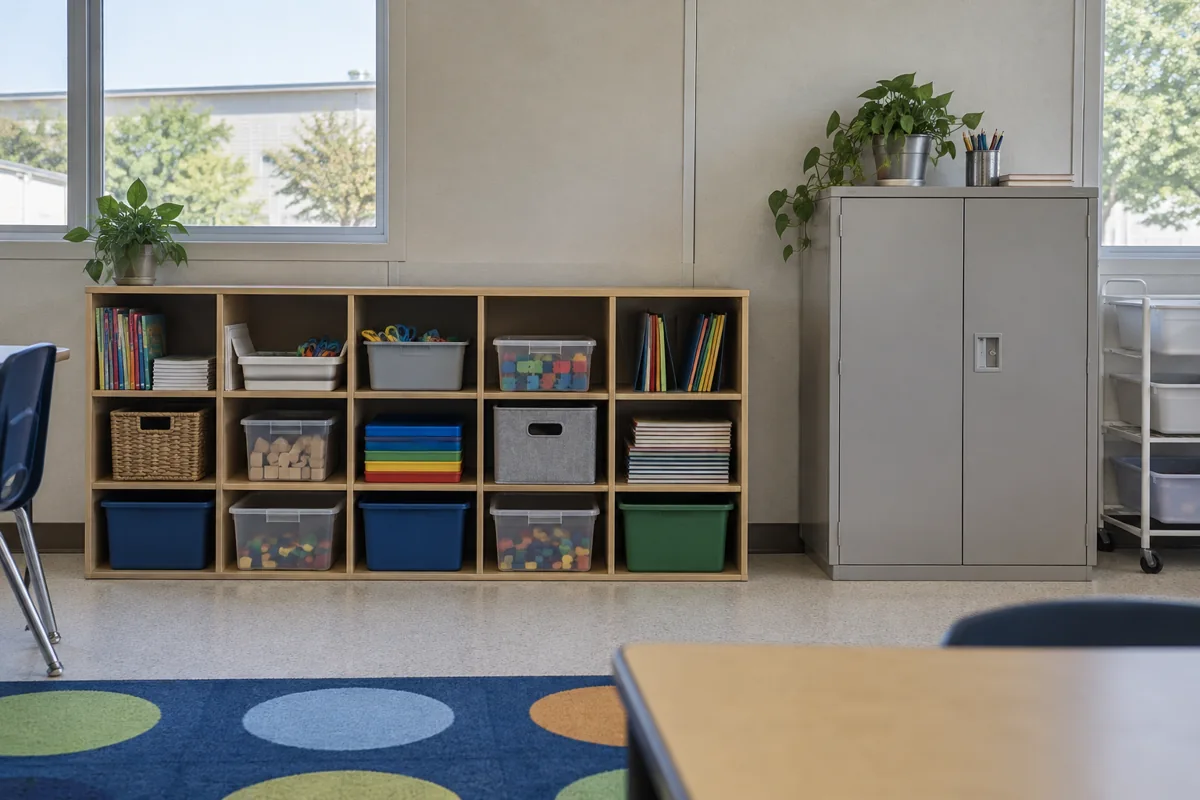
Identify common furniture and teaching resources. Check whether they serve each class in practice rather than assuming any table, display or storage arrangement is interchangeable. Where a resource differs, decide whether it moves with the group or stays in the room.
Review classroom layout options with the significant items represented. A plan shouldn't look spacious only because one user's materials have been left off the drawing.
For instance, a group might leave work ready for its next session. If another class needs that surface immediately, discuss storage or a different working arrangement. The useful question is what happens between lessons, not which group wins ownership of the room.
Consider the handover as part of ordinary use
Ask staff which resets are reasonable. Moving a few resources may be normal; reorganizing the whole room before every lesson may make the proposed flexibility less attractive. Establish the practical routine rather than promise that loose furniture solves all differences.
Keep resources available to the next user without creating assumptions about access. Materials belonging to one program may need separation, while shared equipment needs a clear place. These decisions can affect supplied fittings as well as school purchases.
Your Connecticut school can compare modular classroom buildings with those needs identified. An alternative configuration deserves consideration if it reduces a real daily task, but ask what changes in scope and price before treating it as an obvious improvement.
Buy an arrangement everyone understands
Confirm which features are included and who supplies remaining resources. If a planned school purchase makes sharing possible, keep it beside the building offer in the budget. It should not vanish because another department is responsible for ordering it.
Use the building cost guide for wider project questions. Obtain actual information about supporting work and distinguish confirmed costs from open items.
Give all regular users the selected plan before proceeding. Competitive classroom prices matter most when they describe a room the school can put to work. A clear shared arrangement lets you judge that value without relying on endless furniture shuffling or resources that haven't been accounted for.