
Replace classroom space with a room chosen for the way the class works now. Get modular classroom prices for Waterbury and explain the strengths and limitations of the current arrangement. Keeping useful teaching provision doesn't require copying every old compromise into the new building.
For the wider project picture, explore Connecticut modular buildings alongside your classroom space plans.
Identify what should carry forward
Ask staff which resources need to remain accessible and which furniture arrangements support ordinary instruction. Explain why they matter. A provider can discuss alternatives more usefully when the brief describes the purpose rather than a fixed collection of positions copied from the existing room.
Review classroom layout choices with important resources shown. An unfamiliar plan deserves a practical look, while a familiar-looking one should still account for the actual furniture and materials.
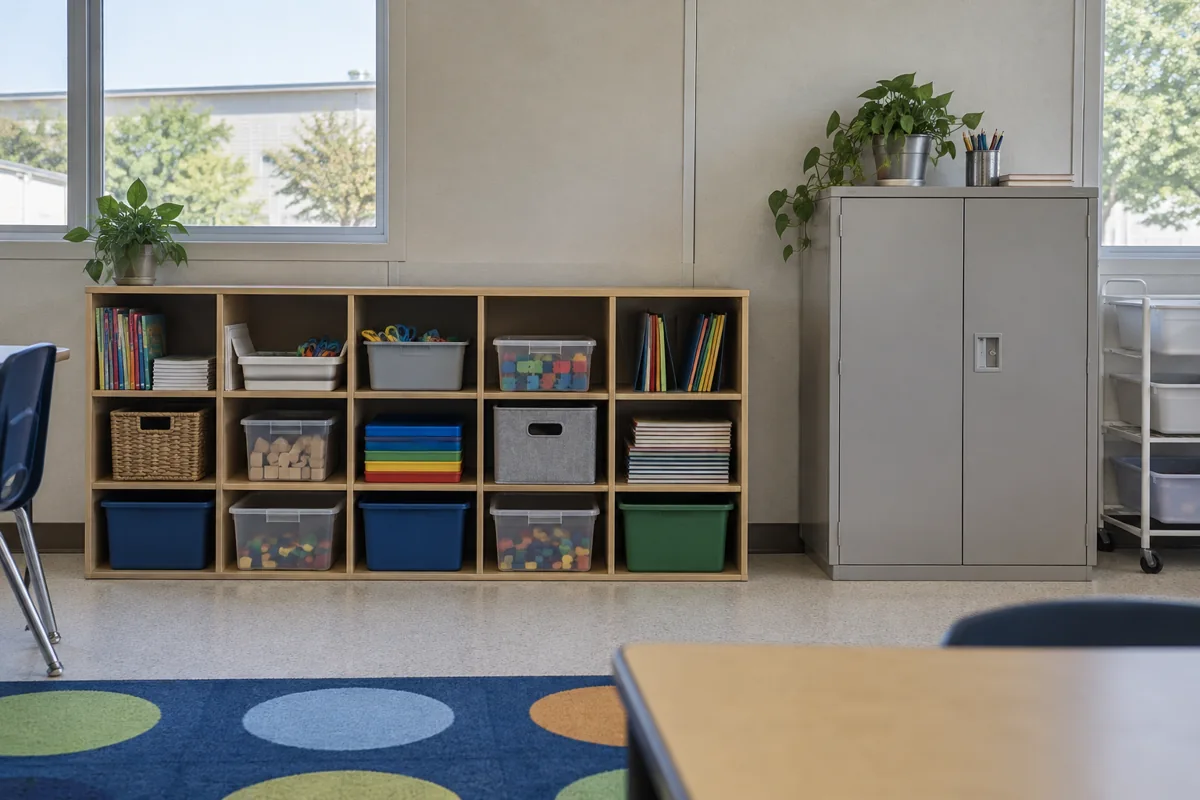
For example, a storage unit may stand where it does because that was the only available place. The new classroom can address access to those materials without preserving an awkward corner. Ask what another arrangement changes during the lesson rather than judge its similarity to the old room.
Make deliberate decisions about reused items
Confirm the condition, dimensions and availability of school furniture intended to move. Ownership is not proof that every item suits the replacement or can be released from its current role.
Your Connecticut school can compare modular classroom options with reused resources distinguished from supplied fittings. A new feature may replace a needed purchase or duplicate something useful. Consider the complete arrangement before deciding.
For installed equipment, ask the appropriate parties what removal and setup involve. A resource working in the existing room may require further preparation in the new one. Keep those tasks connected to the plan and budget.
If an item won't be moved, check how its teaching purpose is addressed. Removing a familiar resource can be sensible, but the need shouldn't disappear without a practical answer simply because the school is buying another building.
Ask staff to review the intended first lesson with the resources actually available then. If a significant item arrives separately, the team needs a workable arrangement rather than a final drawing that overlooks the initial gap.
Keep the transition in the purchase decision
Identify resources still in use until the class moves. They may belong in the final arrangement without being available for advance setup. The team should understand that dependency instead of assuming everything is ready in storage.
The building cost guide helps frame questions about supporting work and separate purchases. Obtain actual information where available and distinguish open items from confirmed costs.
Choose a replacement classroom whose use and supplied scope are clear. Competitive pricing can then support a thoughtful improvement: carrying forward what works, changing what doesn't and keeping the remaining responsibilities visible before the school proceeds.