
Community-health education courses may examine reliable sources, audience needs, program planning, teaching materials, communication barriers, and evaluation methods. A Lacey modular classroom should support that work without being represented as a clinic or a place for diagnosis and treatment. The verified program defines content, privacy, and supervision.
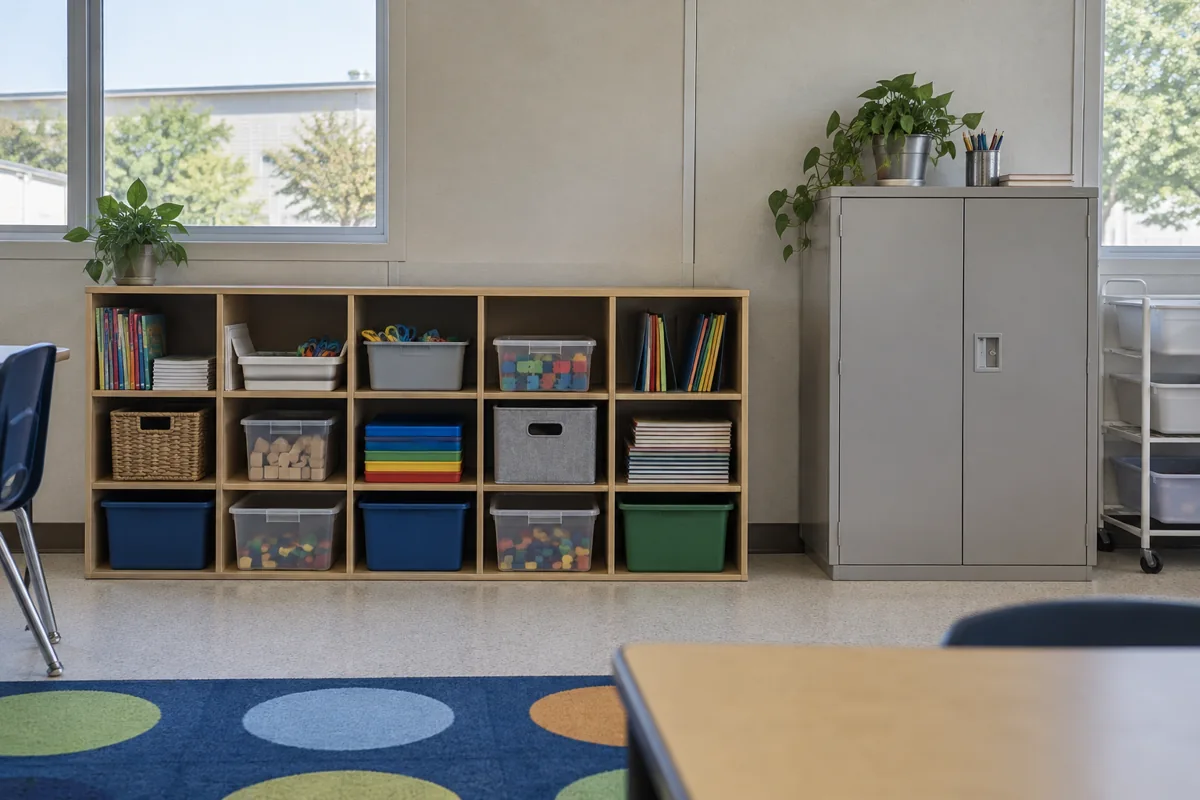
For the wider project picture, explore Washington modular buildings alongside your classroom space plans.
Put source quality ahead of presentation polish
Students need a review position where author, date, evidence, audience, limits, and update status remain visible. Materials awaiting verification belong outside the ready teaching set. A clear source log should follow any adapted handout or visual.
The classroom layout resource can test source review, team planning, practice teaching, private discussion, and accessible participation.
Plan for a defined audience without stereotyping it
Teams can identify language, literacy, access, schedule, and format considerations while avoiding invented claims about a community. Sample profiles should be clearly instructional. Teaching demonstrations need useful sightlines and a respectful feedback route.
Owner policy governs personal information, consent, recordings, health examples, accounts, files, retention, and publication. Any screening, examination, clinical equipment, or patient interaction requires separate approved scope.
Keep private discussion within supervised practice
A small conversation area may support coaching or role practice when visibility, acoustics, booking, and owner safeguarding rules work. Fictional records should never resemble live patient charts. Assessed notes need controlled storage.
Washington and local requirements for occupancy, accessibility, privacy, sanitation, technology, fire and life safety, and education facilities require project-specific confirmation by professionals and authorities. No medical advice, health result, program approval, or academic outcome is implied.
Compare prices for planning and teaching modes
Flexible furniture, displays, resource storage, selected acoustic work, technology, secure records, commissioning, and site work may cross budgets. Use the complete classroom cost guide.
Lacey buyers can request current classroom prices with cohort size, teaching formats, and known technology. Details can follow. Ask providers to show source review, program planning, practice delivery, private feedback, revision, and reset.
Closeout should remove fictional personal details, return approved teaching materials, flag sources due for review, and protect assessments. Shared displays need a content date. Outdated health information should not remain simply because the next group has not yet chosen a replacement.
Practice handouts should include a review owner and next-review date. Store translated or adapted versions with the source they came from so later edits do not split the message across inconsistent copies. Retire superseded sheets from ready bins before new materials are issued.