
Game-design instruction can connect audience, goals, rules, systems, prototypes, playtests, observation, digital iteration, and revision. A Keller modular classroom should support that cycle without being represented as a commercial studio or promising a publishable product. The owner defines content, devices, accounts, and tools.
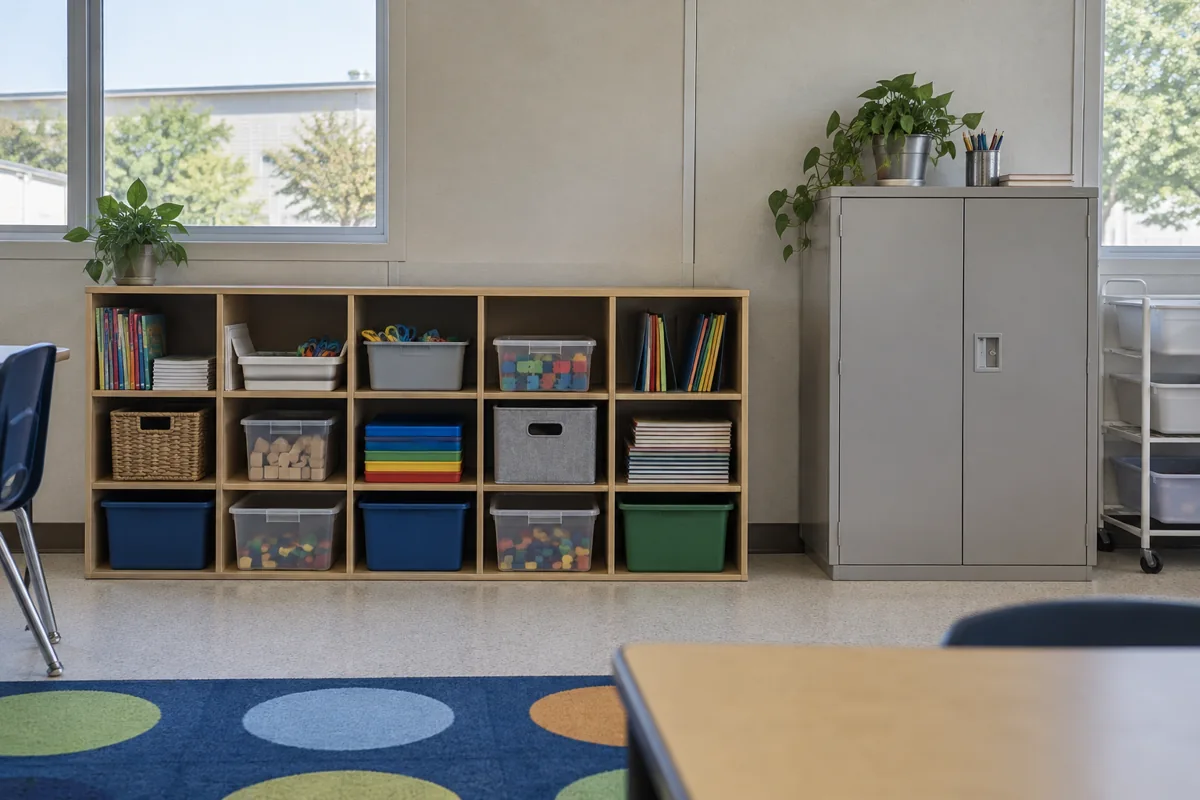
For the wider project picture, explore Texas modular buildings alongside your classroom space plans.
Make the rules playable before they look polished
Teams need space to show objective, setup, sequence, choices, feedback, and ending conditions. Paper prototypes can expose unclear rules before digital work begins. Components and versions need project identities.
The classroom planning guide can test concept work, tabletop playtests, digital stations, observation, critique, and presentation.
Give playtests a script and stopping point
Identify prototype version, player task, observer role, time, questions, and consent practice before testing. Record behavior without exposing unrelated student work. Feedback should remain attached to the version tested.
Owner policy governs accounts, online interaction, recordings, personal information, source assets, copyright, files, and publication. Live public play or commercial release requires separate approval.
Separate learning evidence from winning
A balanced-looking outcome does not by itself prove the design works. Students should examine choices, clarity, pacing, access, failure states, and unintended strategies. Preserve earlier rules beside reasons for change.
Texas and local requirements for occupancy, accessibility, privacy, electrical and data systems, fire and life safety, and education facilities require project-specific confirmation by qualified professionals and authorities. No rights, product quality, publication, commercial, or academic outcome is implied.
Compare prices for analog and digital design
Team tables, component storage, displays, devices, technology, secure files, selected acoustic work, commissioning, owner software, and site work may cross budgets. Use the complete classroom cost guide.
Keller buyers can request current classroom prices with enrollment, prototype formats, and known technology. Details can follow. Ask providers to distinguish adaptable teaching space from devices, licenses, networks, and production tools.
Closeout should collect prototype parts, clear test accounts, return devices, archive required rules and feedback, and label unfinished builds. A later team should not play the wrong version because loose cards remained on a table.
Component libraries need complete counts and neutral storage rather than a mixed bin of abandoned projects. Mark which tokens, cards, boards, or controllers belong to each test. When a playtest changes a rule, update the reference sheet before the next group begins; verbal corrections disappear quickly in a busy room. Log missing pieces and hold that set for review.