
HVAC theory can connect comfort and load assumptions, airflow, refrigeration concepts, component relationships, controls, maintenance information, and fault cases. A Haltom City modular classroom should support that study without being represented as a mechanical lab or service-certification site. The approved program defines trainers and technical resources.
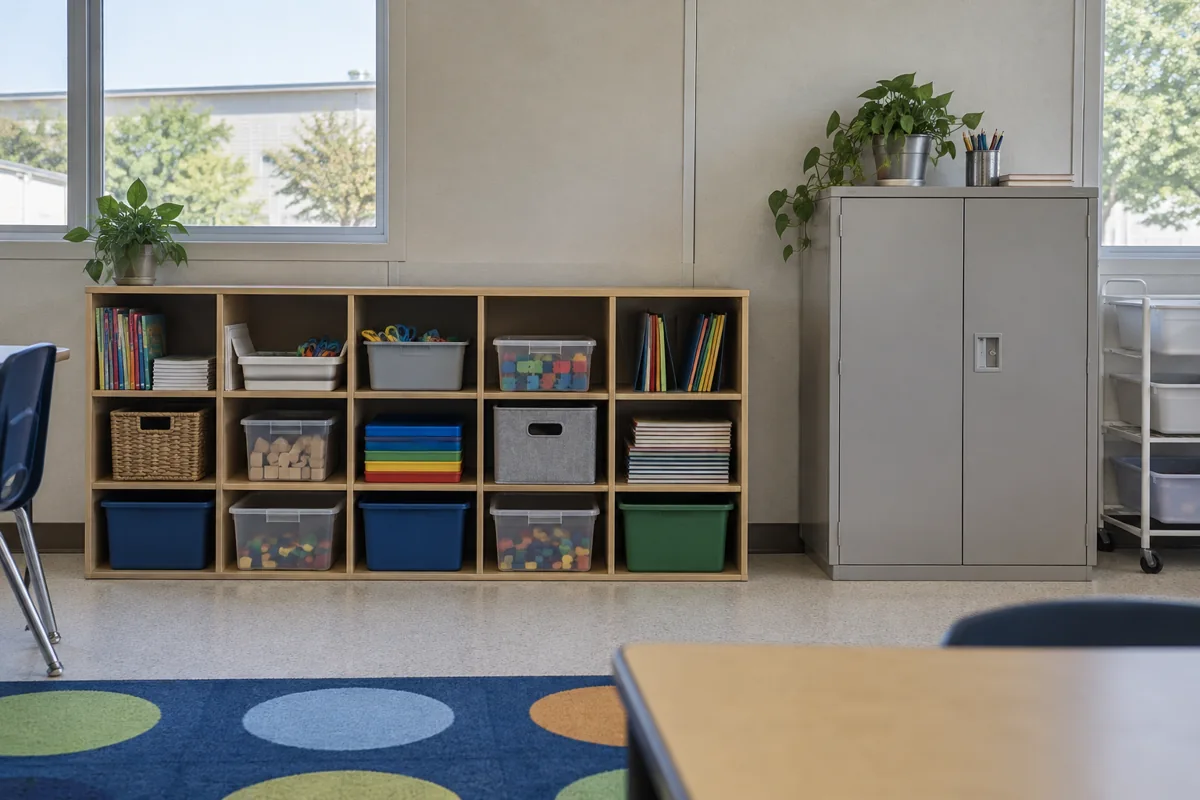
For the wider project picture, explore Texas modular buildings alongside your classroom space plans.
Place load assumptions beside the system
Occupancy, weather, envelope, schedules, ventilation, internal gains, and setpoints can change a classroom case. Display those assumptions with the diagram. Teams should explain relationships before selecting equipment or chasing a fault.
The modular classroom layout resource can test diagram review, component observation, control-sequence work, fault cases, and presentations.
Use component models with known status
Clean cutaways and de-energized examples need labels for function, condition, equipment family, and limitations. Heavy or sharp components require suitable support. An intentional defect belongs in a separate teaching set.
No live refrigerant, energized equipment, pressure, combustion, gas, brazing, recovery, exhaust, or operational service work belongs in ordinary classroom scope. Specialist labs require separate professional design and controls.
Trace controls before assigning a cause
Fictional faults should include sequence, observations, measurements, and missing information. Preserve the initial state beside revisions. Manufacturer documents and code references need source and edition records.
Texas and local requirements for occupancy, accessibility, electrical systems, equipment, material handling, fire and life safety, and education facilities require project-specific confirmation by qualified professionals and authorities. No system design, energy performance, repair, certification, safety, or employment outcome is implied.
Price theory space apart from mechanical labs
Team tables, displays, component storage, technology, measurement areas, secure records, commissioning, owner trainers, and site work may span budgets. Review them with the installed modular cost guide.
Haltom City buyers can request current classroom prices with cohort size, resource formats, and known equipment. More detail can follow. Ask providers to separate teaching infrastructure from refrigerant systems, exhaust, energized trainers, and shop equipment.
Reset should return diagrams and models to matched sets, clear temporary settings, hold questionable components for review, and reconcile measurement tools. A training fault needs a permanent label. It should never be stored as if it were a ready replacement part.
Control-sequence exercises should identify the operating mode, starting conditions, sensor assumptions, and expected transitions. Keep manual overrides and abnormal states visibly fictional. A later group must be able to restore the baseline before interpreting alarms or outputs. Record that reset on the case card.