
When school leaders compare proposals, a useful question is whether each one solves the same classroom problem. Start with a short teaching brief, then request modular classroom prices for Albany using identical student capacity, room activities and storage needs. If a proposal differs, record whether it reflects a design choice, a scope exclusion or an assumption that still needs confirmation.
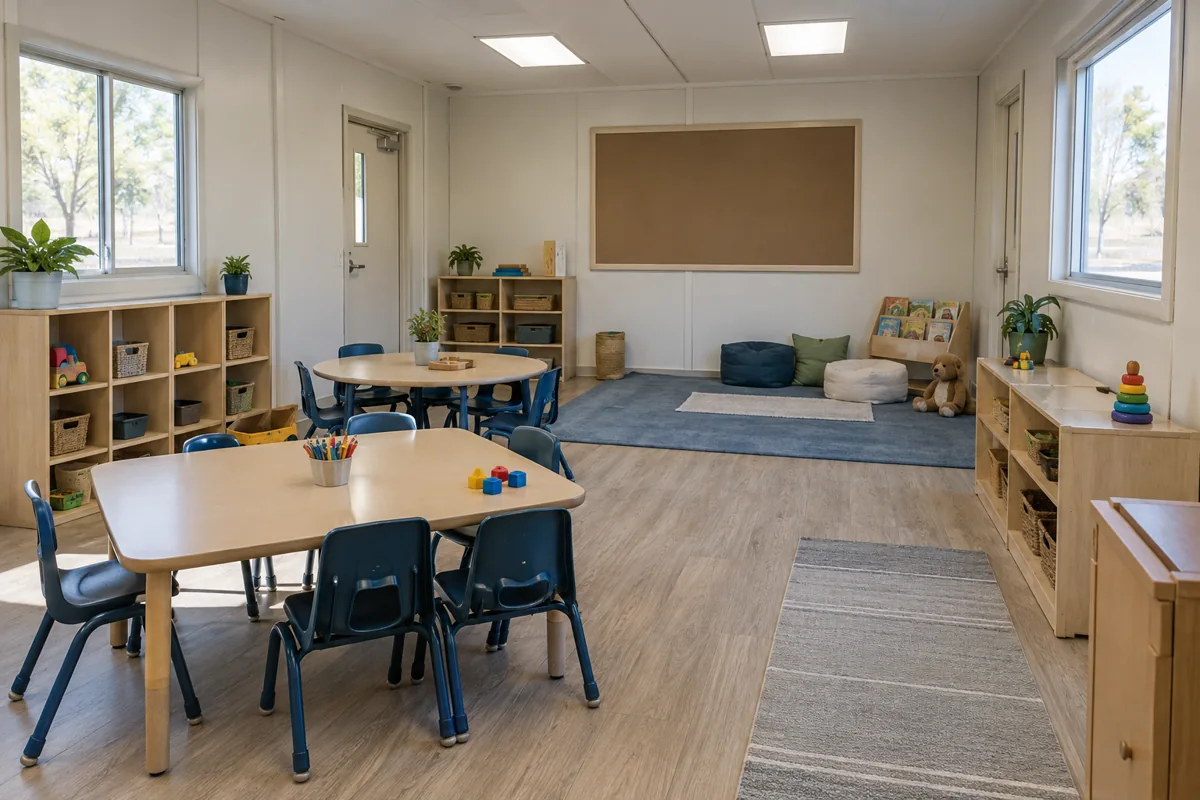
For the wider project picture, explore New York modular buildings alongside your classroom space plans.
Compare alternatives against shared criteria
Create a simple evaluation sheet with the school’s non-negotiable functions, preferred features and open site questions. The criteria might include number of work areas, storage capacity, teacher visibility, equipment placement and the effort needed to reset the room. Assign a reviewer for each topic: teachers for instruction, facilities for site and technical checks, and purchasing for scope and cost.
Ask every provider to use the same dated room brief. If an option changes the layout, request a marked drawing and note the corresponding price change. Avoid comparing a lower total against a more complete proposal without identifying what is missing. A clear difference table helps decision-makers understand tradeoffs without treating one headline amount as the whole story.
Keep assumptions visible
Separate verified information from allowances, estimates and questions. A provider may need school decisions, measurements or site review before confirming an item. Note what would resolve each uncertainty and who can supply it. Facilities staff should confirm local requirements and site conditions; the classroom team can settle the teaching program.
Use the modular classroom layout guide as an input, then compare the actual drawings for circulation, furniture, doors and storage. Check the cost planning guide to ensure supporting work is visible alongside the building amount.
Choose a proposal you can explain
Before approval, make sure the chosen scope states what the school receives, what remains school-managed and which items still depend on review. The modular classroom overview provides product context, but the final comparison should reflect the school’s brief and drawings.
This process helps Albany decision-makers compare current prices transparently and explain why a selected configuration fits the intended classroom. If requirements shift, refresh the brief and ask providers to price the same revision.