
Lynn schools can start comparing modular classroom prices with a simple description of the students, subjects and daily schedule. An early request does not require a finished design. It should reveal which options can provide clear speech, dependable comfort and a practical campus connection before the details are refined.
For the wider project picture, explore Massachusetts modular buildings alongside your classroom space plans.
Make speech clarity part of the room choice
A classroom can have enough floor area and still be difficult to teach in. Discuss the activities that generate sound, the location of mechanical equipment and the need for quiet concentration. Whole-group instruction, collaborative tables and specialized support may place very different demands on the same room.
Ask each provider how wall, ceiling and mechanical selections address those uses. Massachusetts requirements and project-specific acoustic performance need qualified professional review, but the school can improve the comparison immediately by describing where teachers need to be heard and which adjoining spaces may create distraction. This turns “good acoustics” into a useful design question rather than a vague promise.
Rank sound problems before pricing upgrades. If front-of-room speech is the main concern, ceiling and wall absorption may come first. If equipment masks conversation, quieter mechanical selections or different placement may matter more. When outside activity is the issue, site position, openings and wall construction enter the comparison. Pricing the first priority separately from desirable upgrades keeps the proposal useful when the budget requires choices.
Check comfort over the full Lynn school day
List the expected occupancy, operating hours, technology load and any periods when the room will be used after school. Controls should be accessible to the appropriate staff, while service points should be reachable without disrupting the teaching arrangement. Glare, drafts and equipment noise deserve attention alongside heating and cooling capacity.
Require alternatives to explain tradeoffs. A quieter unit may affect first cost or service access; a different building position may reduce outside noise but lengthen utility work or walking routes. More glazing may support daylight while increasing glare-control needs. A Lynn team can then protect the conditions that most affect teaching instead of accepting a bundled option whose value is hard to see.
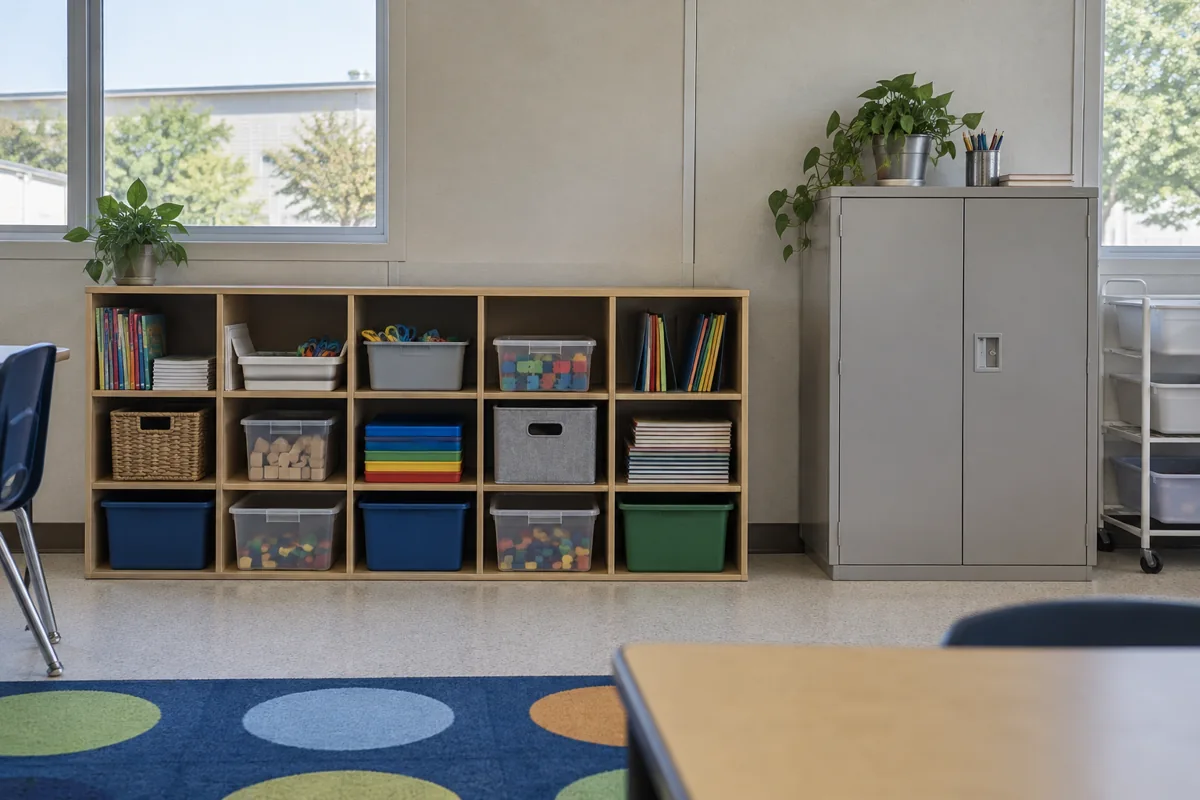
Review candidate classroom layouts with furniture and storage shown, not as empty rectangles. That makes it easier to see whether supply cabinets block airflow, whether display locations cause glare and whether a quiet activity zone can remain useful when the room is full.
Compare complete spaces, not shell prices
A fair price review should identify design, delivery, foundations, installation, utility connections, accessible routes, permits and closeout responsibilities. The installed modular cost guide can help a Lynn team spot work that may sit outside the building package.
Share what is known when you request Lynn classroom prices, including room use, approximate capacity and timing. Providers can identify assumptions and alternatives from there. The strongest comparison is the one that shows what the school receives, what remains owner work and how the finished room will support an ordinary teaching day.