
Get the classroom features the school actually needs at a price it can explain. Request modular classroom prices for Lowell and agree on the main teaching priorities before turning every suggestion into a required fitting. A clear brief makes it easier to recognize useful value in different offers.
For the wider project picture, explore Massachusetts modular buildings alongside your classroom space plans.
Explain the reason behind each request
Ask staff what a proposed feature does during ordinary instruction. A request for storage, a teaching surface or more open space may have several practical answers. Providers can discuss alternatives more usefully when the school describes the purpose rather than only one imagined solution.
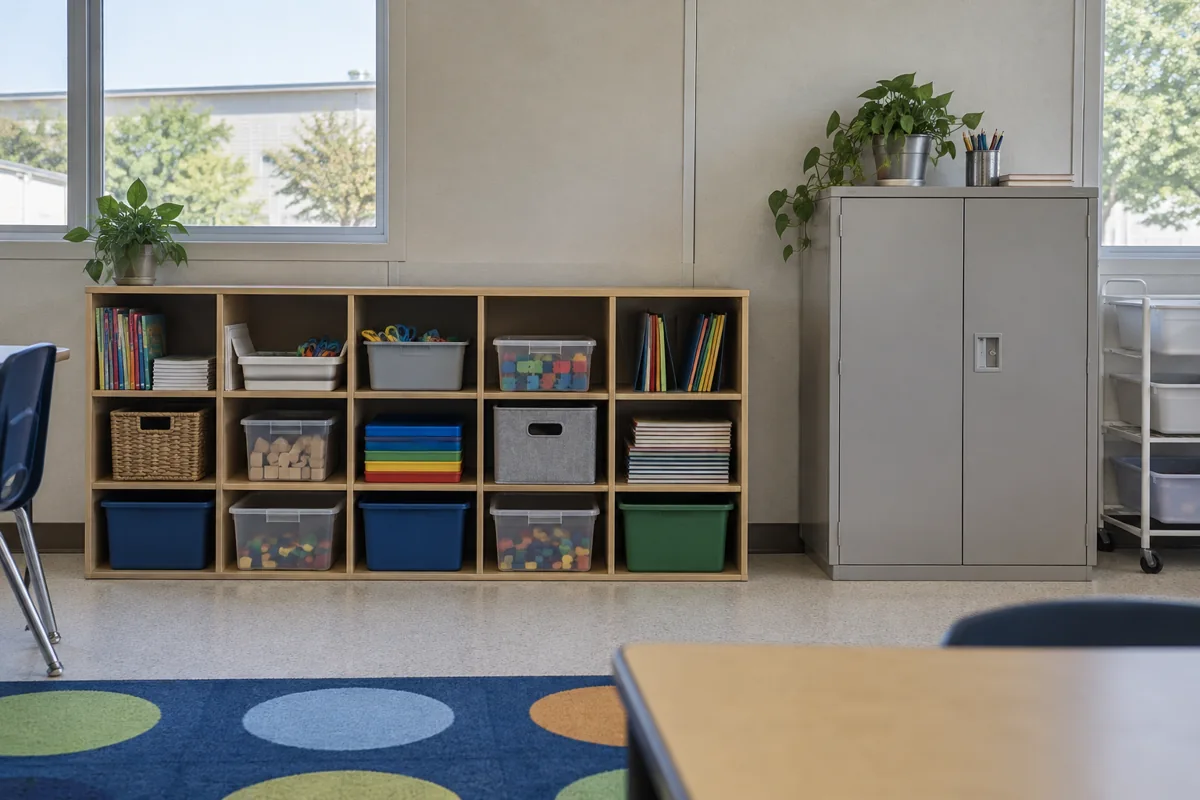
Review classroom layout choices with significant furniture represented. Include school resources and confirm their availability. A plan shouldn't depend on an item another class still needs without resolving that shared use.
For example, materials access might be improved by a different fitting or by rearranging resources the school owns. Compare the actual effect on the lesson. A new purchase isn't automatically necessary, and reuse isn't automatically suitable just because the item is familiar.
Keep options distinct from essentials
Your Massachusetts school can compare modular classroom buildings with essential teaching requirements kept visible. A lower-priced alternative deserves consideration, but it should not gain an advantage by quietly removing a need from the brief.
Ask whether an optional feature adds provision or replaces something supplied. Keep its price effect with that distinction. An option list alone may not make clear how the selected classroom changes.
Consider the frequency of use too. An occasional benefit may be worth buying, but it should be recognized as occasional rather than treated as daily necessity. That gives the school a more honest basis for choosing where to spend.
Have relevant technical matters assessed by the appropriate parties. Agreement among staff helps define intended use; it does not establish every design or installation condition.
Approve the arrangement everyone understands
Give decision-makers the same selected plan and current figure. If one person remembers an earlier optional version, settle the difference before proceeding. A short description of selected features can prevent the purchase from meaning different things to different teams.
The building cost guide helps frame questions about supporting work and separate school purchases. Keep necessary items outside the building package in the comparison, even when another department arranges them.
If a feature is removed for budget reasons, explain how its practical purpose is handled. A sensible economy preserves a useful classroom rather than shifts an essential task somewhere less visible.
Choose classroom space whose priorities, scope and cost are clear. Competitive pricing then supports a reasoned school decision instead of allowing the longest wish list or the shortest unexplained offer to decide the room.