
Start comparing classroom options without pretending every project choice is already settled. Get modular classroom prices for Fremont and explain what the school knows, what it prefers and what still needs deciding. A useful early proposal can help the school move forward, provided its assumptions are visible.
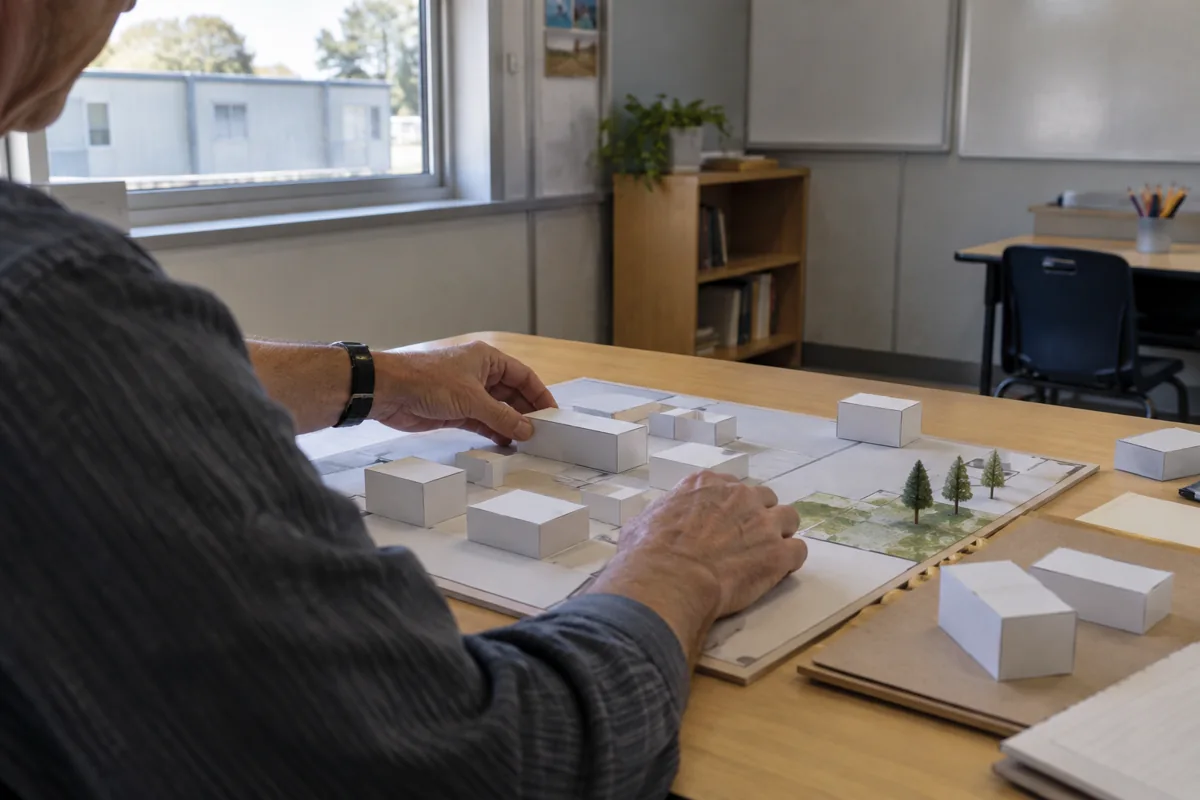
For the wider project picture, explore California modular buildings alongside your classroom space plans.
Make the settled parts of the brief clear
Identify the intended use and important teaching requirements. If the location, resources or desired arrangement are confirmed, provide that information. If something remains a preference, say so rather than presenting it as a fixed requirement that unnecessarily limits the options discussed.
Leave technical conclusions to appropriate assessment. The school can explain the activity and practical needs without supplying a guessed specification. Ask the provider which unanswered questions materially affect the offer so effort goes toward the decisions that matter.
For instance, the school may know which class needs space while still choosing furnishings. That can support an initial discussion, but a fitting decision dependent on exact furniture dimensions may need to wait. Keeping the distinction explicit is more useful than supplying an arbitrary dimension just to fill the gap.
Understand the assumptions in each option
Review proposed classroom designs and ask what each assumes about school-provided items or supporting work. An early figure should be understood in that context rather than treated as a confirmed total for every possible version of the project.
If a provider offers an alternative, ask how it responds to the underlying need. The school may discover a suitable arrangement it hadn't considered. Equally, an option that changes an important requirement should not be treated as equivalent merely because its price is attractive.
Move the comparison toward a defined purchase
Give each open decision a practical owner. Staff might confirm the furniture list while the facilities team checks a site detail. That division keeps a supplier from receiving contradictory answers and lets the school distinguish a genuine design change from a clarification of what it needed all along.
Your California school can use the building cost guide as background while resolving the relevant questions. As a significant choice is made, ask whether the proposal needs updating. Do not carry a price across to a changed scope without checking.
Keep earlier versions for the record but identify the offer being evaluated now. Decision-makers should know which arrangement and assumptions accompany the current figure. That avoids turning useful preliminary work into a misleading final budget.
Compare modular classroom offers with enough clarity to choose the next step. The aim is informed progress—not waiting for perfect information before asking about prices, and not treating an unfinished brief as if it already defines a complete school building project.