
Buy space where the lesson can hold students' attention. Compare Kansas classroom prices with the teaching activities and room relationships clearly described. Square footage matters, but so does what happens next door, where people pass and how the instructor uses the room throughout a session.
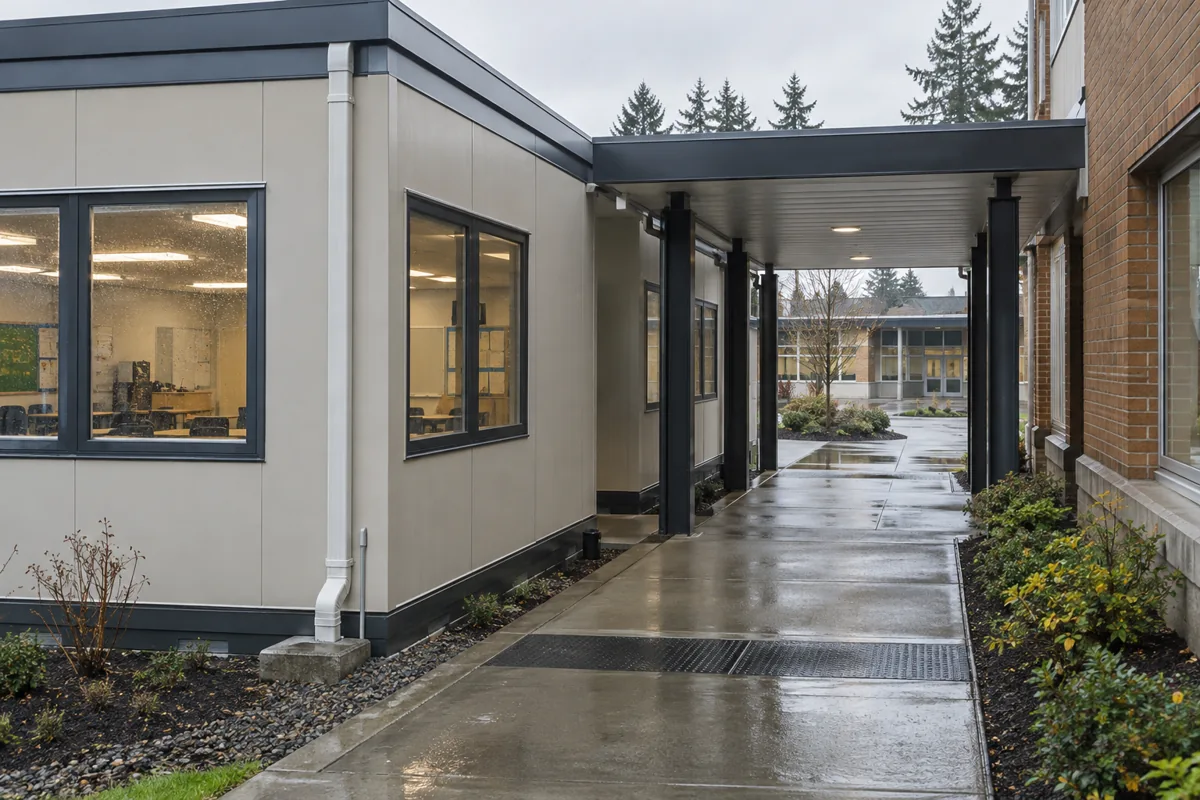
For the wider project picture, explore Kansas modular buildings alongside your classroom space plans.
Start with the activities that can interrupt one another
Put the planned room uses side by side. A discussion-based class, quiet assessment and practical group activity may need different surroundings. Describe the likely overlaps to the design team rather than asking for a general promise of quiet space. That lets the appropriate professionals assess separation and arrangement against a meaningful brief.
Look outside the teaching rooms as well. An entrance, shared resource point or regularly used route can bring activity close to a room that needs concentration. Mark those relationships before deciding where doors and furnishings belong. A room plan may have enough seats yet still need adjustment to support the way those seats will be used.
Give the instructor a workable teaching arrangement
Walk through a typical lesson using the proposed classroom floor layout. Where does the instructor demonstrate, where do students work independently and how are materials distributed? Include any display equipment and storage. A plan that repeatedly sends people across the main teaching area deserves another look before you treat its capacity as settled.
For a Kansas education project, gather input from the staff who will use the room most often, while allowing for other intended users. Distinguish a preference from an instructional requirement. The resulting brief should help the design team solve a real problem, not simply accumulate competing requests. If an alternative arrangement is proposed, test it against the same lesson sequence.
Ask for the specified solution, not a reassuring label
When evaluating modular teaching buildings, have any important acoustic, lighting or other performance requirement assessed and documented by the responsible project professionals. Do not infer a particular result from a product label or a drawing alone. Ask what the offered specification includes and whether any proposed substitution changes it.
The commercial comparison becomes clearer when those requirements remain consistent. An apparently cheaper offer may use a different specification; alternatively, it may meet the brief through a different arrangement. Ask the providers to explain the distinction before choosing. That gives your school a way to reduce unnecessary expenditure while protecting the teaching conditions it has identified as important.
Keep a copy of the agreed instructional brief with the selected proposal. It is a useful reference if a later change looks minor on paper but affects the way a class is taught.