
Give an expanding education program a practical home without assuming every supporting function needs a second copy. Explore Idaho classroom building prices for an addition that shares facilities sensibly or operates more independently where needed. The decision should follow how the program works, not a blanket preference for either the smallest building or the most self-contained one.
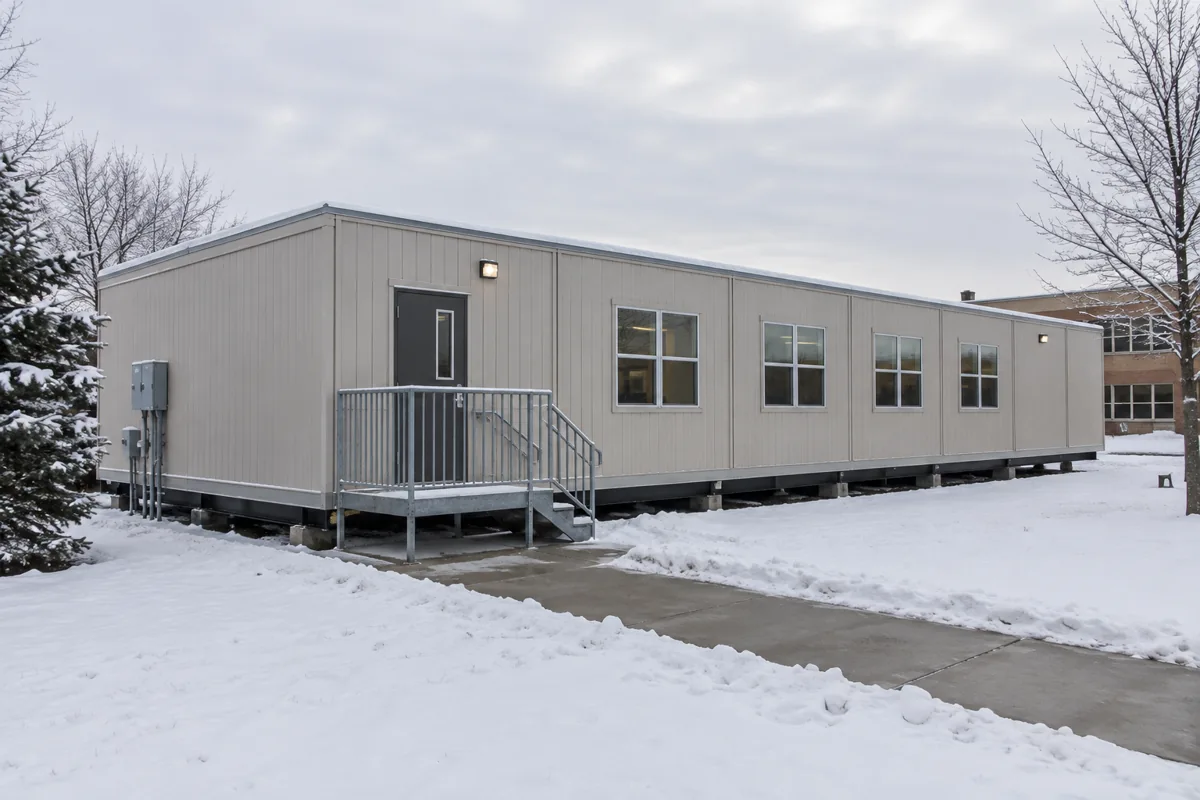
For the wider project picture, explore Idaho modular buildings alongside your classroom space plans.
Find the limit of sensible sharing
A new classroom may be able to use facilities in the main school, but check the complete arrangement. When are those facilities available? Who accompanies students? What happens if the other building is closed during part of the new program's hours? The cost of sharing includes the operating arrangement, even when no additional room appears on the building plan.
Map the facilities your program will use in a normal day and identify the busiest overlap. A shared room that is technically available but occupied whenever you need it is not useful capacity. Work through the timetable with the staff responsible for both spaces. Where the arrangement depends on a concession, make sure it is agreed rather than assumed.
Price independence where it solves a real problem
Ask for a clear alternative when including a supporting room would materially improve operations. The modular classroom design guidance can help organize the room list, but the school must decide what level of separation the program needs. An additional facility may increase building scope while reducing repeated journeys or scheduling conflicts. Those are concrete tradeoffs worth putting in front of the decision makers.
For an Idaho property, have the project professionals evaluate the services and site implications of that alternative. A room with additional utility requirements is not just extra floor area. Get its scope identified before comparing the two options. The aim is to choose independence where it earns its cost, not to make every classroom addition resemble a completely separate school.
Keep responsibility clear when facilities remain shared
Whichever arrangement you select, identify who opens, maintains and manages the spaces used by the new program. Shared facilities can fall between teams when everyone expects someone else to deal with a problem. Set out the operating responsibility alongside the physical design, particularly where the addition has different hours or a separate teaching group.
Compare modular education space on that complete basis. A smaller option might be right when the shared arrangement is robust; a larger one might remove an ongoing constraint. Take the plan back through an actual teaching day before choosing. The best-priced answer is the one that supplies the required space with an operating arrangement your school can sustain.