
A reliable livestream depends on room layout as much as equipment. Cameras need stable sightlines, audio needs clean sources and volunteers need a control position that does not compete with worship seating. An Edmonds modular church building should coordinate those elements before devices are purchased.
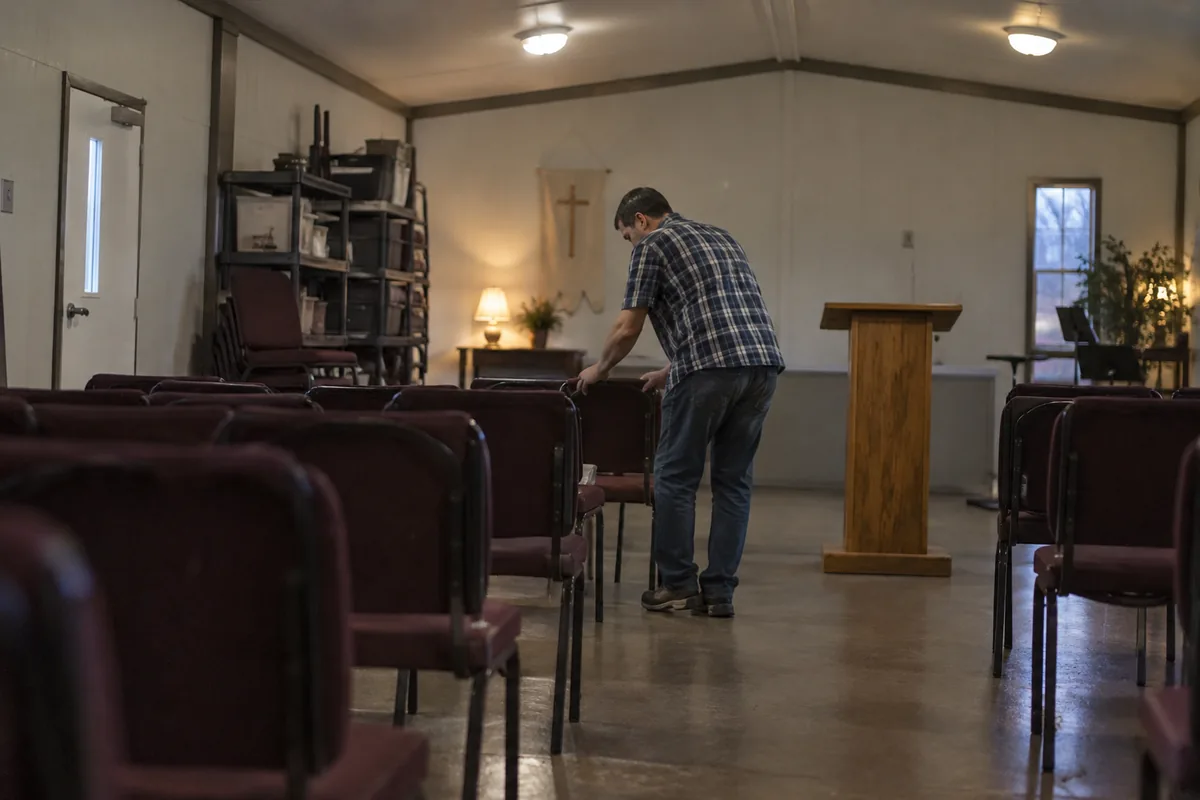
For the wider project picture, explore Washington modular buildings alongside your church space plans.
Design around the captured experience
Choose the primary platform, speaking and music positions, then test camera views with a furnished room. People standing, doors opening and late seating can interrupt a view that looked clear on an empty plan. Keep camera locations outside exit and accessible routes.
Washington context and the actual Edmonds property and program require qualified review. Electrical, data, acoustic and accessibility needs should be evaluated with the building and production professionals who will carry the work.
The worship building layouts can help leaders compare room proportions. Add camera angles and the production position directly to each option.
Give volunteers a controlled workstation
Furnish the control area with monitors, audio controls, communications and seating. It needs useful ventilation and task lighting without spilling glare into the room. A lockable equipment rack and nearby storage can protect devices and keep spare cables off the floor.
Plan permanent pathways for power, data and low-voltage cabling. Temporary runs should not cross aisles or doors. Coordinate audio capture with the in-room sound system so the online audience does not receive only the amplified room mix.
Create a startup, shutdown and fault-reporting routine. The modular church building guide helps place production needs within a room that also supports in-person worship and weekday use.
Rehearsal should include the production team. Camera movement, lighting changes and microphone handoffs can be tested before a service, revealing whether a volunteer must cross the room at the worst moment.
Discuss recording notices, participant consent and content handling through the congregation’s policies. The physical plan can provide controlled equipment access and a private workstation, but it does not settle how recordings are stored, shared or retained.
Compare the building and production interface
Ask providers to identify power, data pathways, lighting controls, acoustic assemblies, climate systems, secure storage and accessible features. Cameras, switchers and other specialty electronics should be listed separately when another vendor supplies them.
Apply the installed project cost guide to the factory package, module transport, foundations, site preparation, utility extensions, entry work and final commissioning. Assign responsibility for cable terminations, testing and equipment mounting before selection.
With the captured view and volunteer workflow documented, Edmonds leaders can compare modular church building prices. The right room supports a clear online service without making the in-person congregation navigate around production equipment.
It should also fail gracefully: a secure place for spare cables and a documented manual fallback can keep one equipment problem from stopping the gathering.