
A manageable payment is appealing, but it doesn't tell you whether an office is the right purchase. Allen businesses considering modular space can start with office building prices for a defined layout, then examine how the project would be paid for. Comparing provider offers could save up to 30%; keeping the same scope in that comparison matters more than finding the smallest number on the first page.
For the wider project picture, explore Texas modular buildings alongside your office space plans.
Price the office before comparing payment arrangements
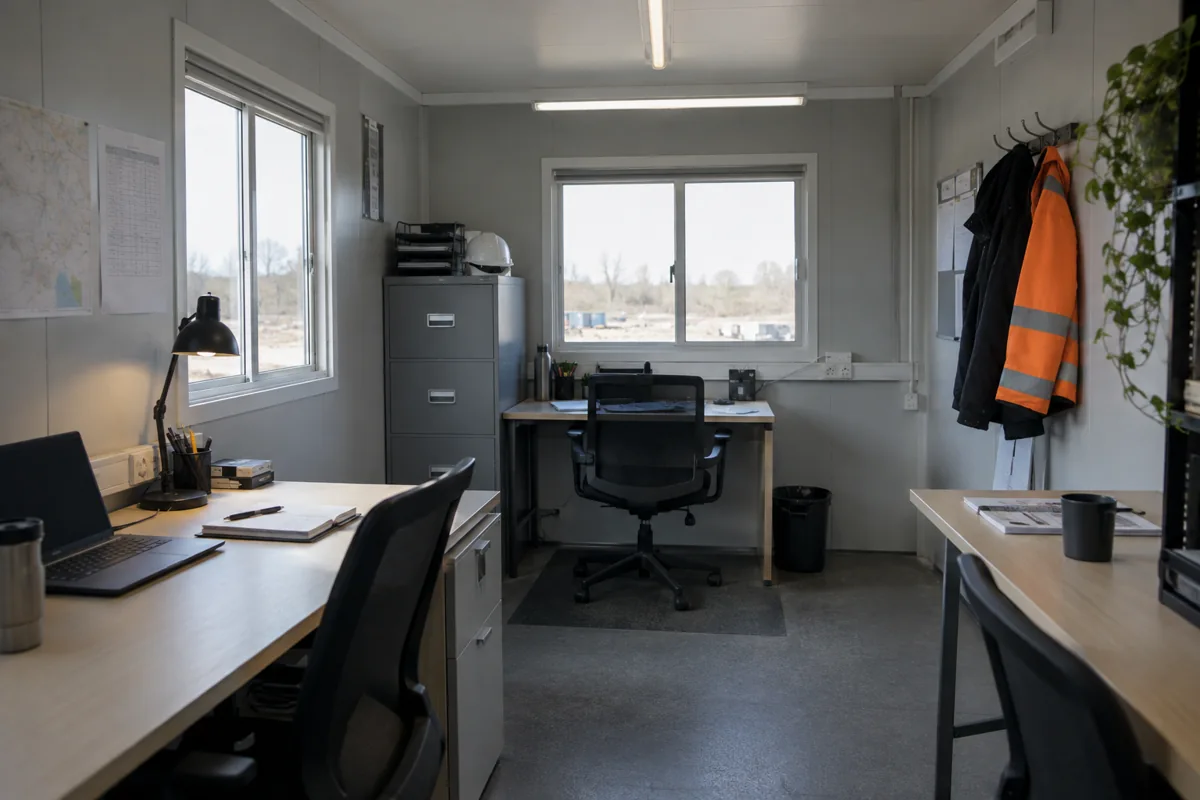
Specify the work the building must support and the rooms that follow from it. A private office, open administrative space and a meeting area may be sensible for one business but unnecessary for another. Review modular office plans with actual furniture and simultaneous activities included. That gives the price discussion something firmer than a broad size request.
Separate essential features from preferences. If a larger room or different finish is optional, ask for its price separately. You can then judge the benefit without losing sight of what the core office costs. Don't use an attractive payment arrangement to avoid deciding whether an option is useful.
Read the scope behind the payment
ModTech's purchase and lease information is a starting point for discussing possible arrangements, not a promise of approval or particular terms. Obtain the actual offer and understand what it covers. A payment relating to building supply should not be assumed to include independently arranged site work, installation items or furnishings.
The project cost guide helps identify those separate expenses. For the Texas property, confirm responsibilities with the provider and the relevant site professionals. Keep any work awaiting evaluation visible rather than burying it in a provisional total. A realistic budget can contain an open item; pretending the item is settled doesn't make the budget stronger.
Match the commitment to the business decision
Consider the intended period of use and the uncertainty around it when reviewing alternatives with your financial advisers or decision-makers. Ask the provider to explain the obligations, included services and end-of-term arrangements in writing. Avoid treating different contract structures as equivalent merely because their initial payments look similar.
There may be a useful smaller building that meets the requirement, or a larger option that supports a concrete expansion plan. Evaluate that choice separately from how it is financed. Space that the business does not need remains an expense even when the payment seems comfortable.
Bring the selected layout, complete scope and proposed payment terms into the same approval discussion. Everyone should understand what is being acquired, what must be arranged outside the offer and why the building serves the business. That is a stronger basis for proceeding than a monthly figure detached from the office it is supposed to deliver.