
Give the classroom part of a vocational program a clear home without confusing it with the practical training area. Explore Columbus modular classroom prices for instruction, discussion and preparation, with the activities inside the building defined. The right scope depends on what students will actually do there.
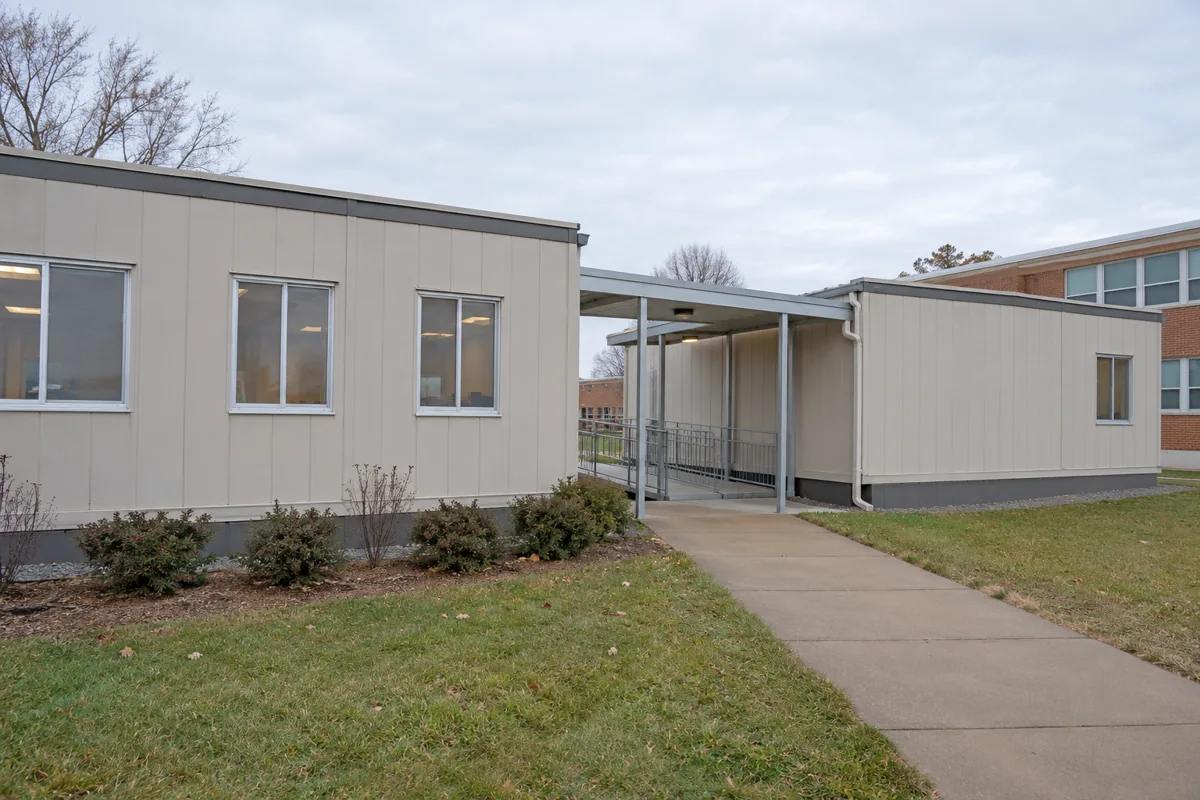
For the wider project picture, explore Ohio modular buildings alongside your classroom space plans.
Separate classroom instruction from specialist practical work
Identify which parts of the program take place at desks or teaching stations and which require another type of facility. Do not assume a modular classroom can accommodate specialist equipment or workshop activities without assessment. The responsible professionals need the intended-use information to determine requirements, and the proposal should reflect that defined use.
Keep the distinction useful rather than artificial. Students may need to review drawings, use training materials or prepare for another activity in the classroom. Explain those tasks and the resources involved. That produces a better brief than simply naming the trade or program and expecting providers to infer the room arrangement.
Plan the handoff between instruction and practice
Review training classroom layouts with the transition to other parts of the program considered. Where do materials remain, what do participants take with them and how does the room get ready for the next session? The relationship to the practical area affects the routine even when that area is outside the building scope.
For a Columbus project within an Ohio education program, ask staff to describe the actual sequence and timing. Avoid counting the classroom as available to another group while it is still needed for preparation or follow-up. A timetable that recognizes those uses gives the school a more realistic measure of capacity.
Price the teaching resources alongside the room
Ask which fittings and preparations the modular classroom offer includes and which resources the program supplies. Equipment may come from another budget but still affect the building arrangement. Give the project team reliable dimensions and requirements before the design is fixed.
If an alternative reduces the price by changing the room or its support space, review the effect with the instructors. Does it still accommodate the teaching materials and the transition to practice? The school should understand any operational compromise rather than assuming a similar seating count means equivalent provision.
A useful classroom supports its particular part of the vocational program well. Compare prices for that defined role, with specialist activities assessed separately where necessary, and the building decision can stay focused on instruction rather than an unsupported promise that one room will serve every aspect of training.