
A community garden needs a place for tools, volunteer orientation, harvested produce and cleanup. Without a support building, soil and equipment migrate into fellowship rooms or outdoor sheds become difficult to supervise. A Hickory modular church building should separate dirty work from clean handling.
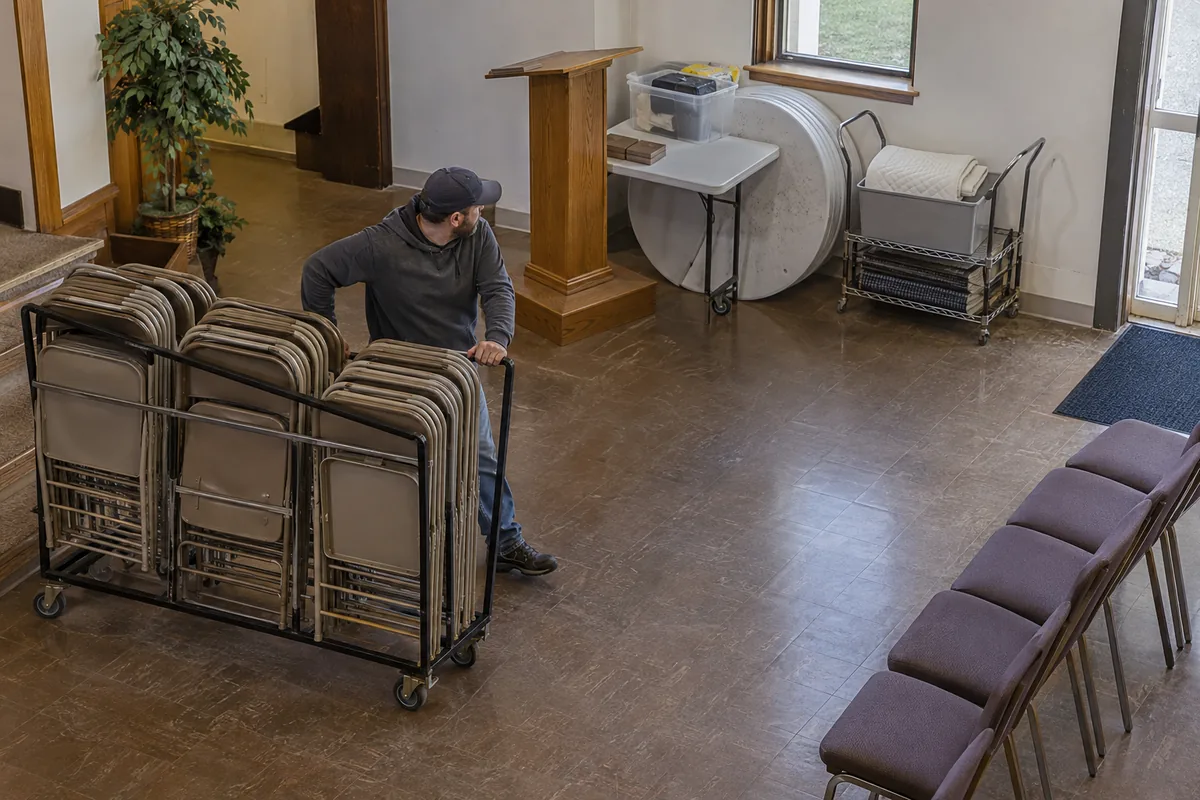
For the wider project picture, explore North Carolina modular buildings alongside your church space plans.
Map the route from garden to storage
Choose doors and exterior paths around carts, hoses, tools and the expected harvest containers. Provide a place for muddy boots and hand tools before anyone reaches clean interior areas. Larger equipment needs secure, properly sized access.
North Carolina context and the actual Hickory property and applicable requirements require qualified review. Water, drainage, electrical work and food-handling activities should be defined and evaluated specifically.
The modular project guide can help frame different support-building uses, while the property plan determines whether volunteers can reach the garden without crossing parking or event traffic.
Separate tools, produce and people
Use wall racks and lockable cabinets to keep tools visible and controlled. Chemicals or restricted materials, if the approved program uses them, require separate qualified storage decisions. Do not place them near produce or volunteer drinking water.
Define whether produce is merely sorted, washed or packed, because each step changes counters, sinks, drainage and cleanable finishes. Keep incoming soil and waste on the opposite side of the workflow from clean boxes or donation pickup.
A small briefing table can support volunteer assignments and weather changes. The community building overview helps connect outdoor outreach with indoor meeting needs.
Include a tool check at the beginning and end of each work period. Gloves, approved protective equipment and first-aid supplies need visible, controlled locations under the program’s procedures. Damaged tools should move to a quarantine shelf rather than back onto the rack.
Season changes affect the building too. Hose storage, freeze-sensitive items, seed trays and harvest boxes may rotate through the same support room. Assign a seasonal zone so temporary materials do not consume the volunteer aisle.
Price the utility function honestly
Ask providers to identify tool storage, counters, plumbing, drainage, electrical service, lighting, ventilation, climate needs, accessible features and finishes. List garden carts, racks and loose worktables as included or owner-supplied.
Apply the modular project cost guide across module delivery, supports, utility extensions, property work, entrances and final installation. Include exterior paths, hose points and restoration in the overall budget.
With dirty and clean routes resolved, Hickory leaders can request modular church building prices. A practical support room lets volunteers focus on the garden and keeps harvested goods from sharing space with tools and soil.