
A Schenectady office purchase should give you more than an attractive number and a general promise of extra space. Explore modular office prices for rooms that support the business, with savings up to 30% possible through comparison of suitable offers. A clear specification lets you see where the value lies and which responsibilities remain outside the supplied building.
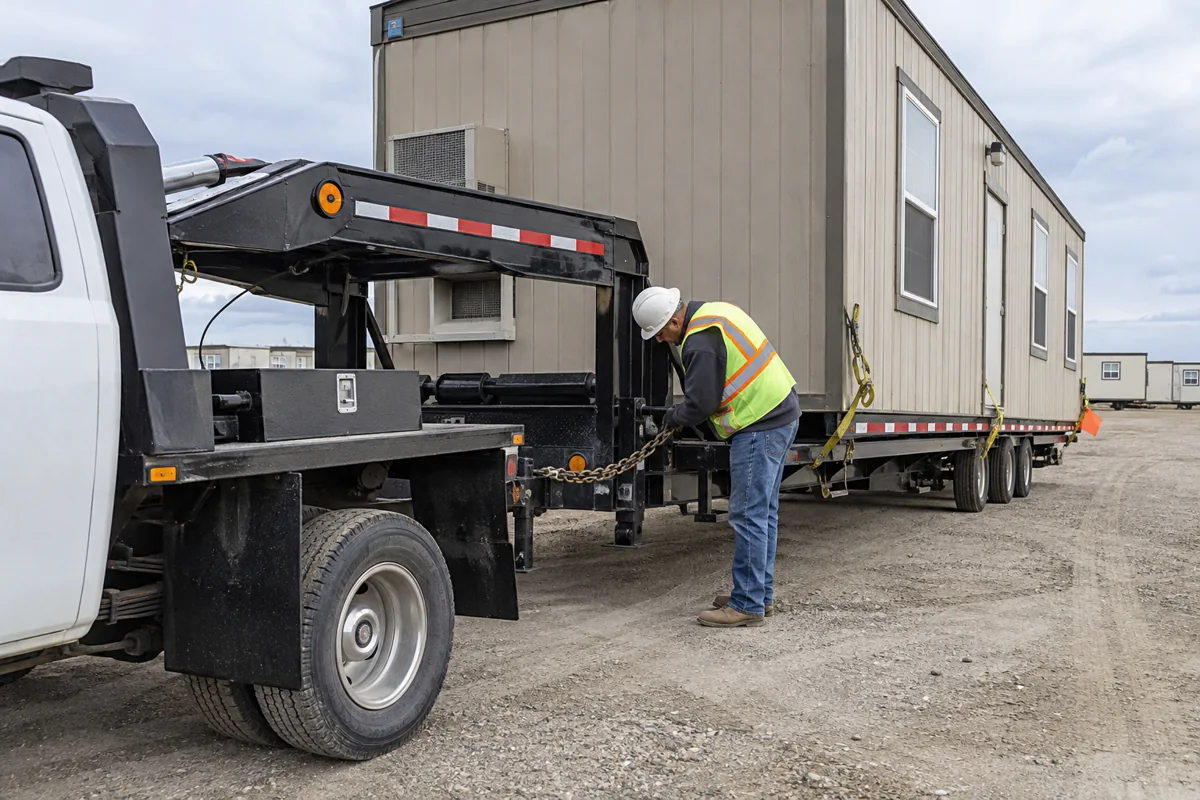
For the wider project picture, explore New York modular buildings alongside your office space plans.
Begin with a short description of the work taking place inside. Regular desk users, shared equipment, private conversations and visitors all influence the layout. A headcount is useful, but it doesn't explain the way those activities compete for room.
Put the practical layout before the finish choices
Review modular office layout options with furniture placed at believable sizes. Allow for people using cupboards, pulling out chairs and moving between activities. If a proposed room handles several functions, check whether they occur together. The office should not rely on staff repeatedly clearing their work away to make the arrangement possible.
Decide which features matter most to the business. A useful private room or convenient storage may improve daily work more than a decorative upgrade. Keep those priorities clear when asking providers for alternatives, so a lower price doesn't come from quietly removing something essential.
Ask for the detail behind the building description
When evaluating modular office buildings, clarify the actual supplied finishes, fittings and service provisions. Identify furniture and equipment the business will provide. Photographs can show possible arrangements, but they should not be treated as the inventory of a priced package.
Schenectady's permit information calls for a detailed scope of work and supporting information such as materials and dimensions. That level of clarity is helpful in the purchasing discussion too. Confirm the applicable requirements for your New York address and proposed use with the appropriate local contacts; a familiar building label doesn't establish the project's full scope.
Compare the cost of putting the modular office to work
Discuss delivery access, placement, necessary preparation and connections with the responsible parties. If facilities will be shared with existing premises, have that arrangement assessed. Use the project cost guide to keep building supply separate from related work and to identify where allowances still depend on more information.
For temporary use, consider modular office rental offers alongside applicable return or removal obligations. For a longer commitment, ask about purchase and lease terms. Compare the same useful office across those arrangements rather than allowing the payment structure to distract from missing scope.
The final Schenectady offer should leave little ambiguity about the decision: staff get the rooms they need, supplied features are identified and related responsibilities are understood. That is a more useful basis for competitive buying than accepting a broad description and hoping the important details are included.