
Make the first classroom addition useful on its own. Request modular classroom prices for Columbia and explain what the school needs immediately, alongside any later ideas. A staged project should give the first class a workable room without quietly depending on another building or resource that hasn't been approved.
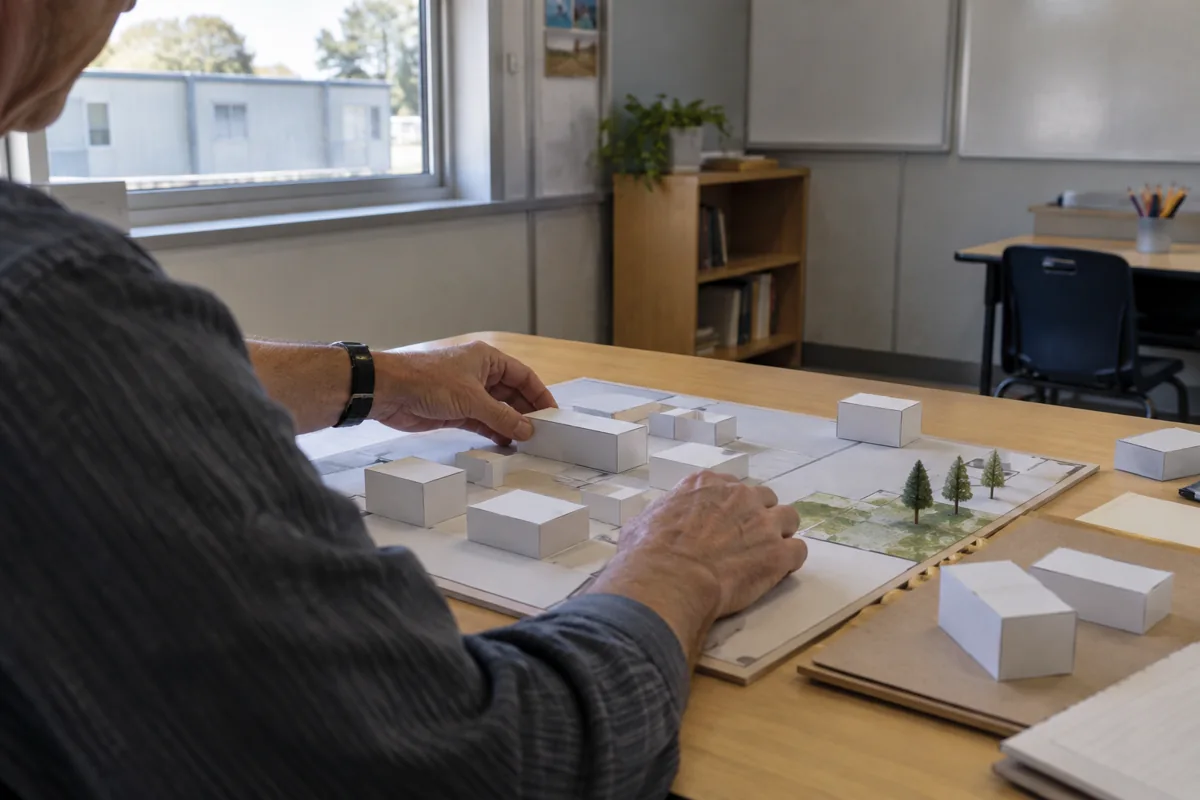
For the wider project picture, explore Missouri modular buildings alongside your classroom space plans.
Put present instruction at the center
Identify the teaching group, important furniture and regular activities for the initial room. Review classroom layout choices with those resources shown. A larger future plan can help explain intentions, but the first purchasing decision needs its own clear scope.
Ask which resources are available now. If a shared feature belongs to a later phase, decide how the first class gets that support in the meantime. A planned store, for example, doesn't remove the need to keep daily materials somewhere practical during the initial use.
Keep a preference for later provision separate from a present requirement. This helps the school avoid buying every future idea immediately while also preventing an essential current feature from being deferred under a vague promise that the next stage will solve it.
Discuss future use without assuming it is simple
Tell providers about longer-term intentions when reviewing modular classroom options. Ask what requires further consideration if the school later changes or adds to the arrangement. Modular construction alone doesn't establish that any particular connection, move or alteration is straightforward.
Your Missouri school can assess a feature proposed mainly for later use by asking what it contributes now and what remains uncertain. A purchase made ahead of need may be sensible, but its purpose should be explicit rather than hidden inside the first classroom package.
For instance, a supplied fitting might support both current instruction and a possible later activity. Describe both uses and ask for appropriate assessment. Don't assign it the value of an unconfirmed future program simply because the plan includes room to imagine one.
Ask staff to review the room without the later additions pictured around it. That makes any immediate dependency easier to spot and keeps the initial purchase grounded in provision the school is actually arranging.
Compare the first-stage responsibilities
Confirm supplied work, school purchases and tasks arranged by other parties. The building cost guide helps frame wider questions, but the proposal needs actual information about the first project's costs.
Keep later spending distinguishable from what is needed to use the initial classroom. Otherwise, a low figure may merely postpone a necessary item while another proposal includes it. Compare the practical starting arrangement, not just similar headings in differently organized budgets.
Choose the room whose immediate value the school can explain. A sound first stage combines useful teaching provision with an understood price, leaving future decisions honest rather than allowing them to prop up an incomplete classroom purchase.