
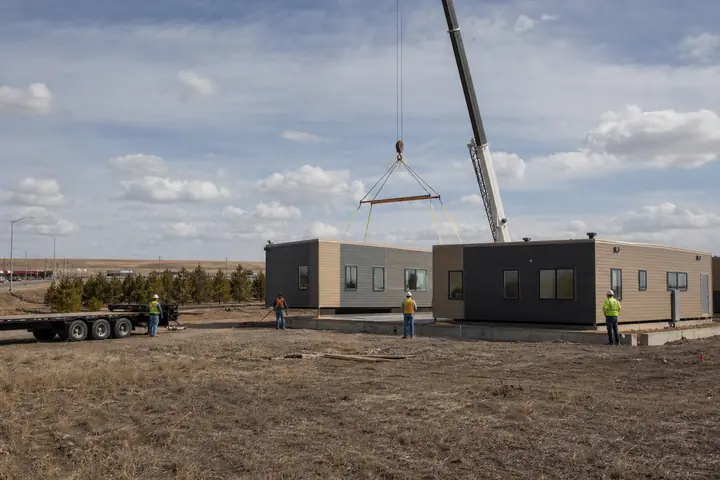
A modular project can organize factory and site work in parallel, but only when decisions arrive with reliable information. A Novi buyer should know which choices control layout, engineering, production, foundations, utilities and installation. Treating every selection as reversible can create more delay than the delivery method saves.
Begin with the business deadline and the condition required on that date. Occupancy, furniture installation and module setting are different milestones, and the plan should not confuse them.
Define what must be settled first
Confirm intended use, peak occupancy, required rooms, accessibility needs, major equipment and the relationship to existing operations. Provide current property records and name the investigations still required. These inputs allow qualified designers to identify decisions that affect code, structure and site work.
Review modular building plans using actual furniture, storage and circulation. Record who approves the layout and how revisions are issued. Moving a restroom group, entrance or mechanical area late can affect both factory work and site connections.
Connect factory and field checkpoints
Create a milestone table for design acceptance, long-lead selections, foundation information, utility connection points, site readiness and delivery review. Each item needs an owner, supporting evidence and a date tied to the work it releases. A green status should mean the prerequisite is verified, not merely discussed.
Separate owner decisions from technical reviews. Finish colors and furniture may be business selections, while structural, code and utility changes need the appropriate professional path. Routing both through one informal approval channel can hide risk or waste specialist time on matters that management could settle directly.
Hold a pre-delivery review covering access, set area, temporary controls, inspections and weather response. Michigan requirements and Novi approvals still depend on the property and occupancy; the schedule must allow the responsible professionals and authorities to complete their work.
Define escalation rules for a missed prerequisite. The project team should know which downstream task pauses, who evaluates alternatives and how a revised date is communicated. Quietly working around missing information can turn a manageable decision into concealed rework.
Compare proposals at the same finish line
Ask providers to identify design services, building work, transportation, setting, foundations, utilities, entrances, alarms, approvals, testing and restoration. The installed modular cost guide helps normalize scopes that otherwise appear similar only at the top line.
When you request Novi modular building prices, include the milestone expectations and decision authority. A useful proposal should explain what the owner must provide and when, giving management a realistic path from need definition to an operating facility.
Retain accepted submittals, decisions and field records in one closeout set. Facilities staff should be able to understand what was installed and why without reconstructing the project from email. That record also gives future changes a reliable starting point.