
Get the classroom your school actually agrees it needs. Request modular classroom prices for Ann Arbor with the main teaching priorities clearly described. A shared brief helps staff, facilities and purchasing compare useful options instead of approving different versions of the room under the same project name.
For the wider project picture, explore Michigan modular buildings alongside your classroom space plans.
Turn requests into practical requirements
Ask each group what its requested feature is meant to accomplish. A teacher may need materials close to instruction, while another team is thinking about storage or care. Those needs may have a common answer, but the school won't know until it discusses their purpose.
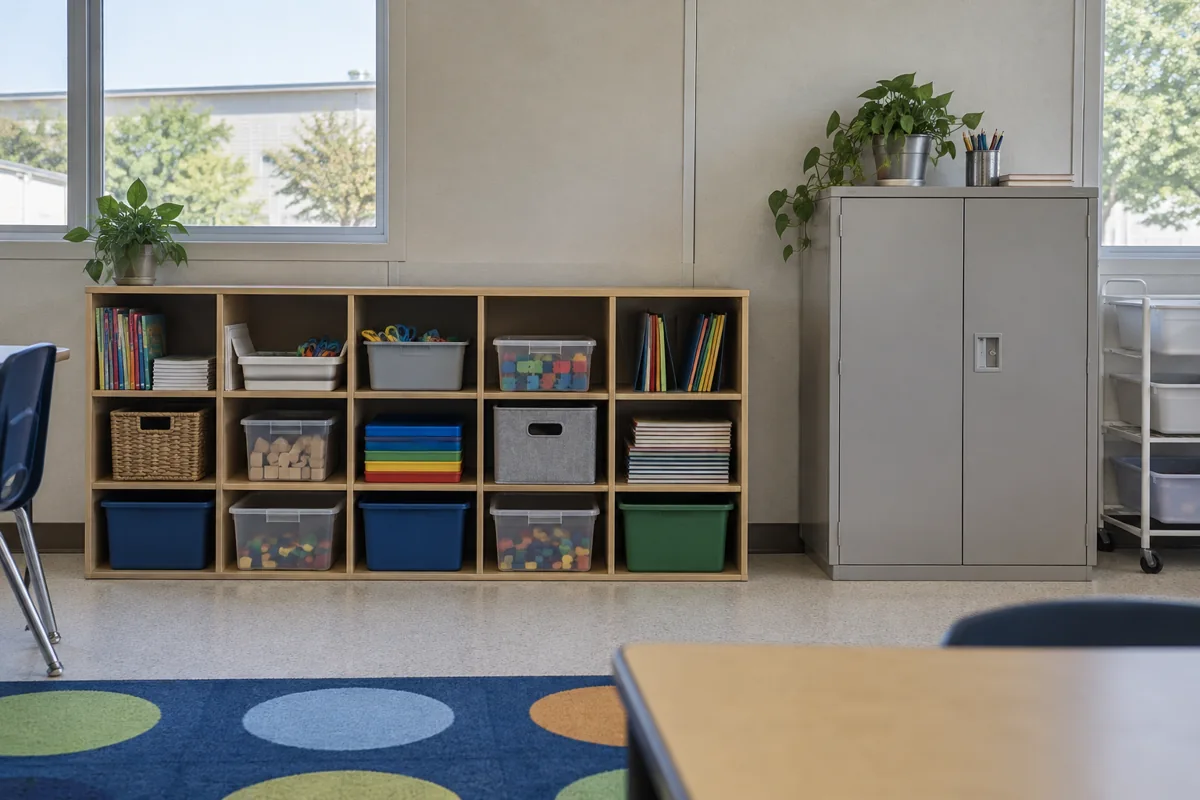
Review classroom layout ideas with significant resources represented. Explain school-owned furniture and confirm whether it is available. A plan built around an item another class still uses has an unresolved assumption from the start.
For example, two people might request separate storage for the same materials because they have imagined different routines. Work through the ordinary lesson and decide what provision is actually useful. Avoid buying duplicated features merely because both appeared on separate lists.
Make the tradeoffs visible
Your Michigan school can compare modular classroom buildings with essential needs distinguished from preferences. That makes it easier to consider another configuration without losing the requirements that matter to instruction.
If an alternative removes or changes a feature, ask how the class works with the revision. A lower figure may represent a sensible choice, but it may also shift a necessary purchase to the school. Understand the difference before calling it a saving.
Discuss optional additions in the same way. A feature can have genuine value without being essential, and it can be attractive without contributing much to this particular room. Ask what daily task it supports rather than arguing about whether the option sounds desirable.
Keep technical assessment with the relevant project parties. The shared brief supplies intended-use information; it doesn't establish every design, access or site requirement by agreement alone.
Where two requests conflict, explain the actual consequence of each choice. A practical comparison of storage access or furniture use is more productive than asking people to vote on drawings without discussing the room.
Take one selected arrangement forward
Confirm the plan, supplied scope and current price together. The building cost guide helps identify wider questions about supporting work and separate resources. Obtain actual information for those items before relying on a complete total.
Give decision-makers the same current proposal. If someone is referring to an earlier optional plan, resolve that mismatch. A straightforward note of selected features and remaining decisions can prevent a lot of misunderstanding.
Choose classroom space whose value the school can explain together. Clear priorities give competitive pricing a useful target and keep the purchase focused on a working teaching arrangement rather than a compromise nobody quite recognizes when the final offer arrives.