
A temporary office can outlast the project that first made it necessary. Weymouth Town buyers need a useful room at a sensible price, but also an agreement they understand if the planned departure changes. Begin with portable office rental options for the confirmed working period, then ask how a longer or shorter stay affects the whole arrangement.
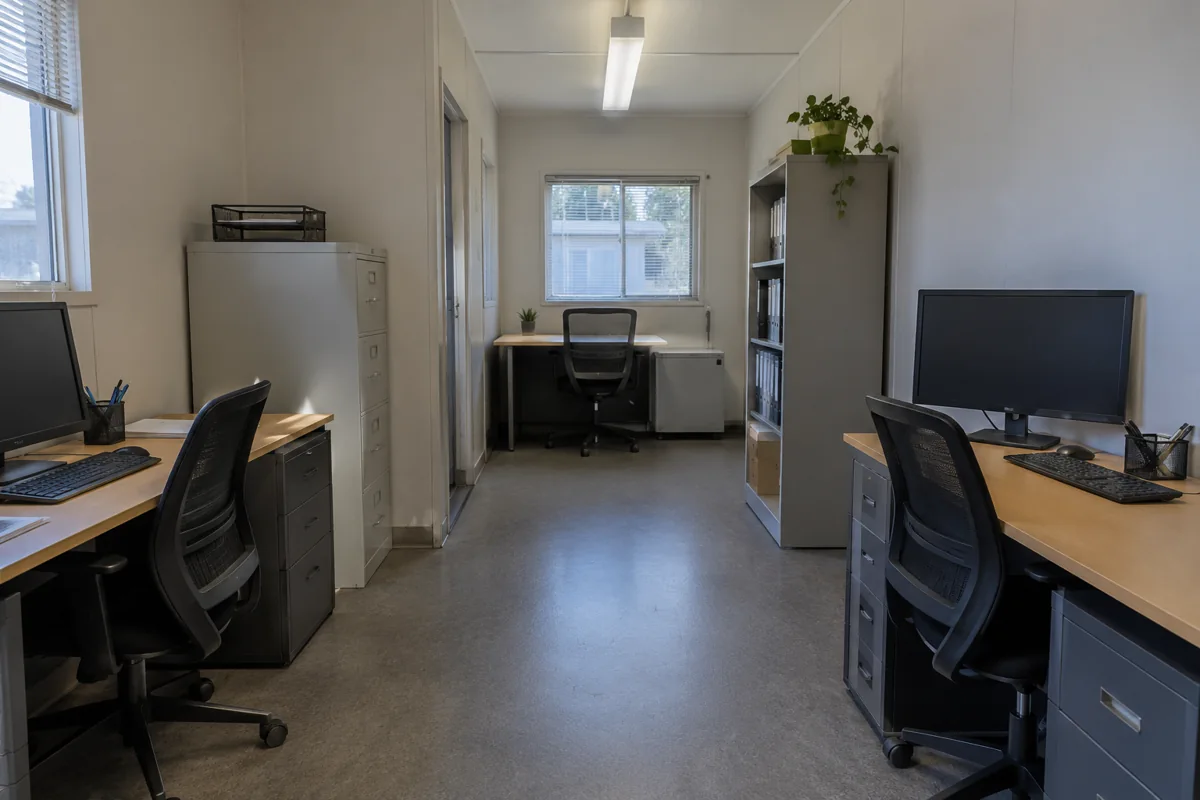
For the wider project picture, explore Massachusetts modular buildings alongside your office space plans.
Separate the date you want from the date you control
A relocation, refurbishment or business decision may depend on people outside the office project. Name that dependency instead of presenting an optimistic end date as certain. Providers can explain their terms more clearly when the request distinguishes the expected stay from the event that would actually let staff leave. This does not require predicting the future; it requires being honest about what remains unsettled.
Consider two practical alternatives alongside the expected period. What happens if the room is needed longer? What happens if it can be vacated earlier? Ask about notice, extensions, collection and other relevant conditions in the actual offer. Do not assume flexibility is included because the building is described as temporary or portable. Keep the answers attached to the price so they remain visible during the decision.
A short stay still needs a complete office
Review modular office layouts around the work being moved, including storage, private conversations and essential equipment. Trying to save by leaving out a function may simply force staff to keep traveling back to the old space. Determine which items transfer with the team and which are supplied, rather than buying a furnished package that duplicates usable equipment.
For the Massachusetts location, have the actual Weymouth Town site and intended use reviewed. Entrances, installation and services do not become optional because the stay might be brief. The project cost guide helps distinguish the building from the other work needed to open it. Include the preparation before staff arrive and the clearing after they leave in the planning period.
Compare commitments, not labels
Purchase may deserve consideration when a continuing use is credible, but it brings a different set of responsibilities. The purchase and lease information provides context for that discussion without promising a particular financial outcome. Compare alternatives delivering the same usable office, and ask who handles the building's next stage when the immediate need ends.
Request current building prices with the confirmed functions and the timing uncertainty stated plainly. A decision that remains understandable under a delayed exit is stronger than one that works only on the best possible date. Staff can concentrate on their work when the office is ready and the commitment has clear boundaries, rather than discovering that an ordinary project delay has created an entirely new accommodation problem.