
Get prices on St. Petersburg modular church space that keeps inspection, cleaning, equipment service, and replacement access visible alongside the rooms. Coastal design responses require qualified site-specific work, but leaders can still make maintainability a clear buying requirement.
For the wider project picture, explore Florida modular buildings alongside your church space plans.
Give maintenance a place and a responsible owner
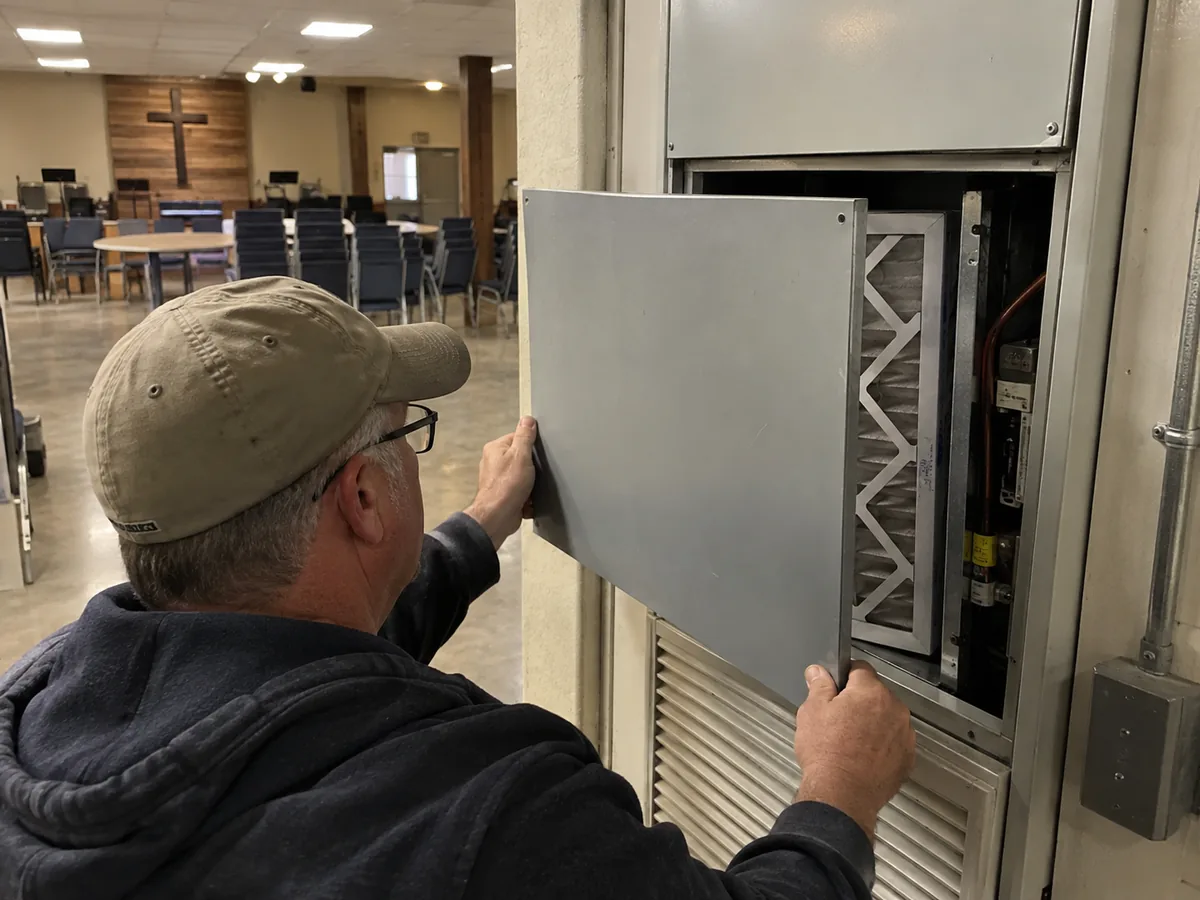
Locate panels, shutoffs, filters, roof drainage components, exterior equipment, network gear, cleaning storage, and other service items. Check whether qualified personnel can reach them without crossing a supervised room, moving furniture, or blocking public circulation.
Ask how selected materials and components are inspected, cleaned, and replaced. Avoid broad low-maintenance or service-life claims before products and exposure are evaluated. Product information, inspection guidance, warranties when provided, service contacts, and records of concealed conditions need an identified recipient.
Establish a modest operating record once systems are selected. Inspection dates, service notes, observed conditions, and completed work can help responsible leaders identify patterns and communicate with qualified providers. This is an organizational practice, not a substitute for required professional inspection.
The church and community building overview can prompt operational questions about shared rooms. The St. Petersburg brief should also identify who opens, closes, cleans, and reports problems during normal use.
Break coastal review into specific decisions
Map available site records, grade, drainage, utilities, parking, accessible routes, fire access, deliveries, exterior equipment clearances, property edges, landscape, and staging. Qualified teams should evaluate applicable wind, flood or stormwater, corrosion exposure, structural, foundation, envelope, energy, accessibility, fire, environmental, and jurisdictional requirements.
Consider exterior materials, fasteners, openings, equipment, drainage details, and service practices separately instead of applying one vague coastal label. Protect inspection clearance after fences, storage, landscape, and outdoor programs are placed on the finished operating plan.
For St. Petersburg, assign maintenance responsibilities while planning the layout, not after the rooms are already fixed. Filters, panels, roof drainage, and utility points need a safe approach that does not interfere with public circulation. Product information and parcel-specific review should establish the actual access and performance requirements.
Price access and records with the components
Compare design, engineering, factory work, transport, foundations, set, utilities, site work, exterior access, envelope scope, controls, permits, testing, documentation, and closeout. Use the installed project cost guide to identify responsibility gaps.
Ask whether inspection and replacement access is included in the layout and site scope. A component figure may be incomplete if later service requires a path, platform, clearance, shutdown plan, or relocation. Unknowns should be labeled rather than buried in a maintenance allowance.
Check replacement movement as well as routine inspection. Doors, gates, landscape, fencing, and nearby uses should not trap a component that may eventually require service or removal. Final routes and clearances depend on actual equipment and qualified design.
Maintenance access and closeout records belong beside component costs in a Florida comparison. Request St. Petersburg modular church prices when providers identify service responsibilities and items that still need professional review.