
A limited office budget is a reason to make clear choices, not to leave the team with space that does not work. Middletown, Connecticut businesses can compare modular office buildings with essential features separated from optional preferences. Get modular office prices and compare suitable provider offers for potential savings up to 30%.
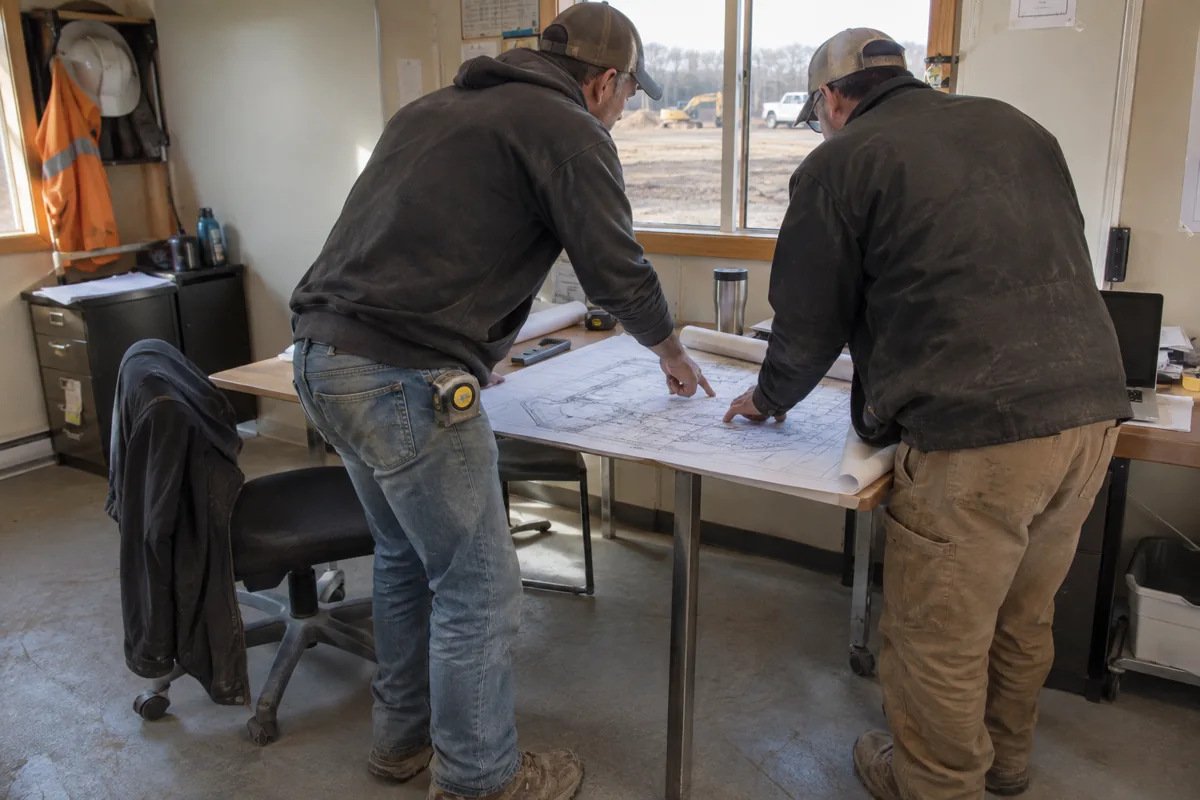
For the wider project picture, explore Connecticut modular buildings alongside your office space plans.
Protect the features that make the office usable
Start with the rooms, working positions and shared resources needed for ordinary business. Use office floor plans to identify those requirements. Removing a necessary room or making a workstation impractical is not a sensible saving merely because it lowers an opening figure.
Ask what a straightforward suitable specification looks like. It need not be elaborate, but it should describe a real working office rather than an empty building with essential items left unplanned. Confirm included fixtures and other features before assigning the remaining budget.
Put optional choices in a separate discussion
Appearance preferences and additional features can have value, but they should not obscure the baseline requirement. Ask the provider which choices are genuinely optional for the offered building and what difference they make to the scope. Do not assume every feature can be omitted or changed independently.
Compare modular office options that meet the important needs. If one adds something useful, consider it on that basis. If it mainly adds an appearance detail with little importance to the business, you have a clearer reason to keep the simpler choice.
Furniture deserves the same judgment. Suitable existing items may help the budget, but an awkward retained desk should not force a poor layout. Include any necessary customer purchases rather than pretend they are outside the cost of making the office usable.
Keep money for the actual project
The cost planning guide helps distinguish building supply from site work and other responsibilities. For the Connecticut property, have the intended Middletown use and installation assessed by the appropriate parties. Interior savings do not eliminate those questions or establish what the wider project requires.
Ask which costs are confirmed and which remain unresolved. An unpriced essential item should not be treated as free simply because it does not appear in the building offer. Keep the decision grounded in the scope you understand.
Choose the office with the essentials protected and the preferences justified. If the budget is still tight, discuss suitable alternatives openly with providers rather than remove working functions at random. A modest building that does the job well is a stronger result than a more elaborate option that leaves important parts of the project unfunded or unexplained.