
Give a developing school program practical space without pretending every future decision is settled. Request portable classroom prices for Oceanside and describe the instruction planned now. A useful room can support a clear immediate need while the school considers what comes next, provided the offer's terms and assumptions are understood.
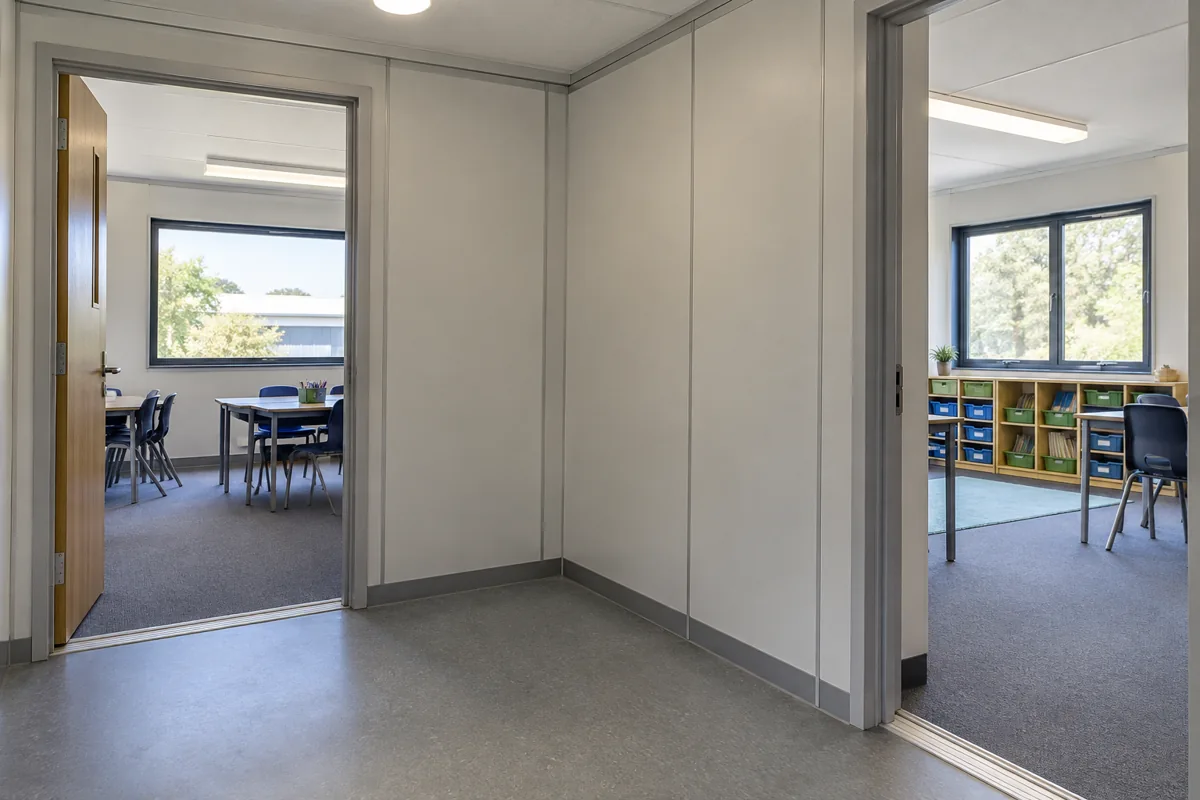
For the wider project picture, explore California modular buildings alongside your classroom space plans.
Define the program you are actually placing
Explain who will use the classroom, which activities happen there and what resources they require. If the program is still being shaped, identify the confirmed elements rather than letting a speculative future use dominate the initial purchase.
For example, the school may know it needs a teaching room while still deciding on a particular equipment package. That can support an initial discussion, but equipment-dependent features should remain clearly identified until the relevant information is available.
Do not assume that a short or uncertain program needs an incomplete classroom. The intended use still requires appropriate provision and assessment. The question is which features serve the actual instruction, not how much can be omitted because the future is unsettled.
Keep furnishings practical for the chosen arrangement
Review classroom layout options with the furniture the school expects to use. If resources are borrowed from elsewhere, confirm they are genuinely available. A plan built around equipment another class still needs will not resolve the space problem.
Discuss fixed features and school-provided items separately. Movable furnishings may suit the program, but they still need to fit and function in the room. Do not use the word flexible as a substitute for checking the actual arrangement.
If another possible use is being considered, ask what it would involve rather than assume the same room will serve it without changes. A provider can discuss options, but future suitability and availability should not be presented as established facts.
Compare terms alongside the teaching space
Give one person responsibility for keeping the brief current as program decisions are made. Providers should receive the school's selected direction, not conflicting equipment suggestions that turn into different assumptions in their offers.
A California school exploring classroom rental options should describe the expected period honestly and ask about the actual conditions offered. If plans change, what decisions or notice are required? Obtain the answer before treating the arrangement as open-ended.
Keep supporting work and school purchases visible with the building figure. The building cost guide can help organize questions, but the proposal needs to explain the specific scope. An uncertain program is not a reason to leave the project budget unexplained.
Choose the room that serves the confirmed teaching need on understood terms. You can leave genuine future choices open without making the first classroom vague. That gives the school useful space now and a more informed basis for deciding what to do later.