
A school weighing classroom layouts should first decide whether the need is a short bridge through a renovation or capacity it expects to use for years. That distinction changes how to compare modular classroom prices, room features and future flexibility. For a Murrieta project, describe the expected term and the instruction that must continue while the school evaluates its options.
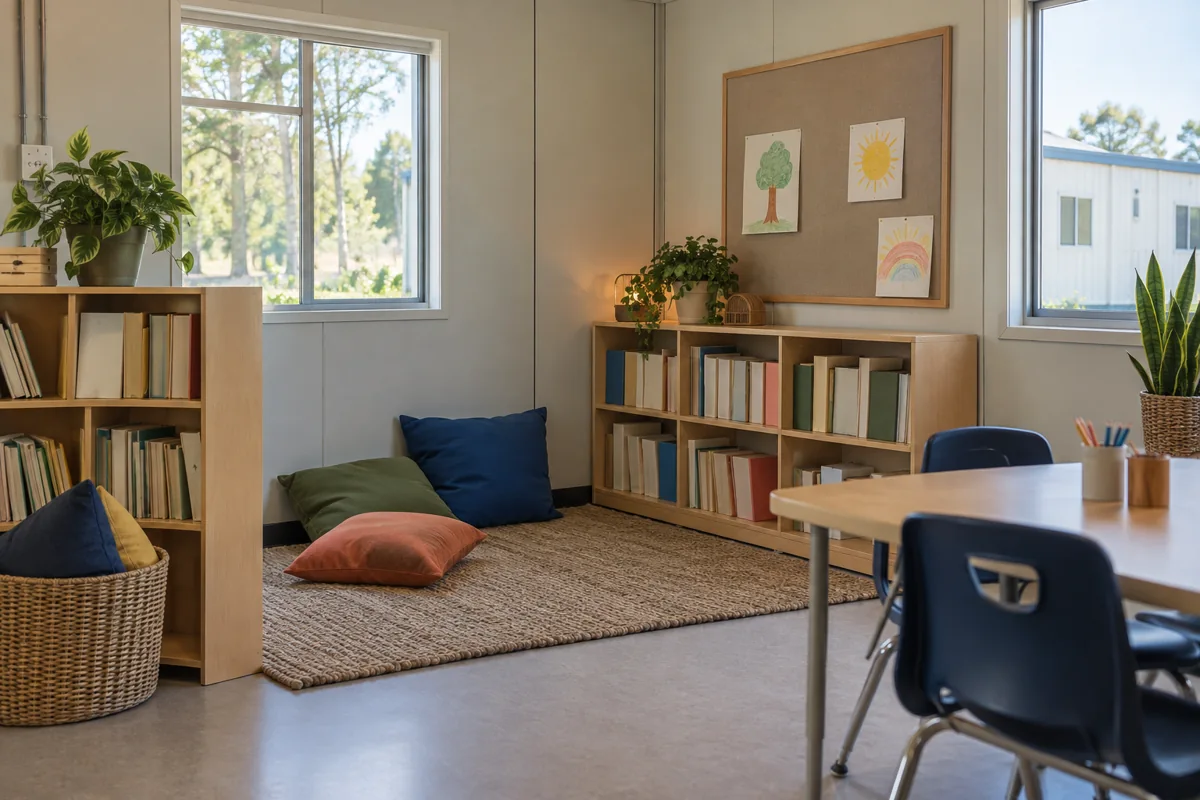
For the wider project picture, explore California modular buildings alongside your classroom space plans.
Match the building choice to the time horizon
Temporary swing space often has a defined start and end condition: which grades move, what work elsewhere triggers the move and when the original rooms are expected to return. Longer-term capacity calls for a closer look at daily comfort, storage, technology and the way a classroom fits the campus routine over time. Avoid treating these needs as identical simply because both require desks and a teaching wall.
List what the school already owns and can reliably assign to the new room. Furniture or equipment that is available only part of the week should not be counted as permanent capacity. If a classroom may be relocated or reused later, ask which design choices support that possibility and what costs or site work a move would involve. Keep those questions separate from an assumed promise of future expansion.
California site, accessibility, safety and utility questions require review by the appropriate professionals. The school’s intended schedule and use help define the project, but do not determine whether a specific location or arrangement meets every requirement.
Keep instruction steady through a transition
Map the teaching day for students who will use the swing room. Identify how they arrive, where materials are stored, how teachers supervise transitions and which resources must be available in the first week. If two groups share equipment, write down the handoff. A classroom is not ready for instruction merely because the building is installed; the operating routine and supporting materials matter too.
Compare portable classroom options with modular classroom buildings only after stating the expected term and relocation needs. The product choice should answer the school’s actual use case, not rely on labels that may mean different things to different bidders.
Compare complete costs, not only the initial figure
Ask each provider to clarify what is included in delivery, setting, foundation, utilities and closeout. Include school-managed work and any later removal or relocation in the comparison if those are part of the plan. The project cost guide can help organize those questions. Do not treat uncertain duration or site readiness as settled just to produce a cleaner price.
Once the school has selected a likely use period and room program, request updated prices with the same assumptions. The result is a more useful comparison between a temporary bridge and lasting capacity, with responsibilities visible before a decision is made.