
Make additional classroom space useful across the groups that will share it. Request modular classroom prices for Berkeley and describe the actual users and resources. A shared room offers practical value when the school understands its everyday setup, not merely when several activities are listed against the same building.
For the wider project picture, explore California modular buildings alongside your classroom space plans.
Identify the common teaching arrangement
Ask which furniture and materials each group needs. Some resources can serve everyone, while others need a separate place or travel with the user. Don't assume all classroom activities have identical requirements because they use similar seating.
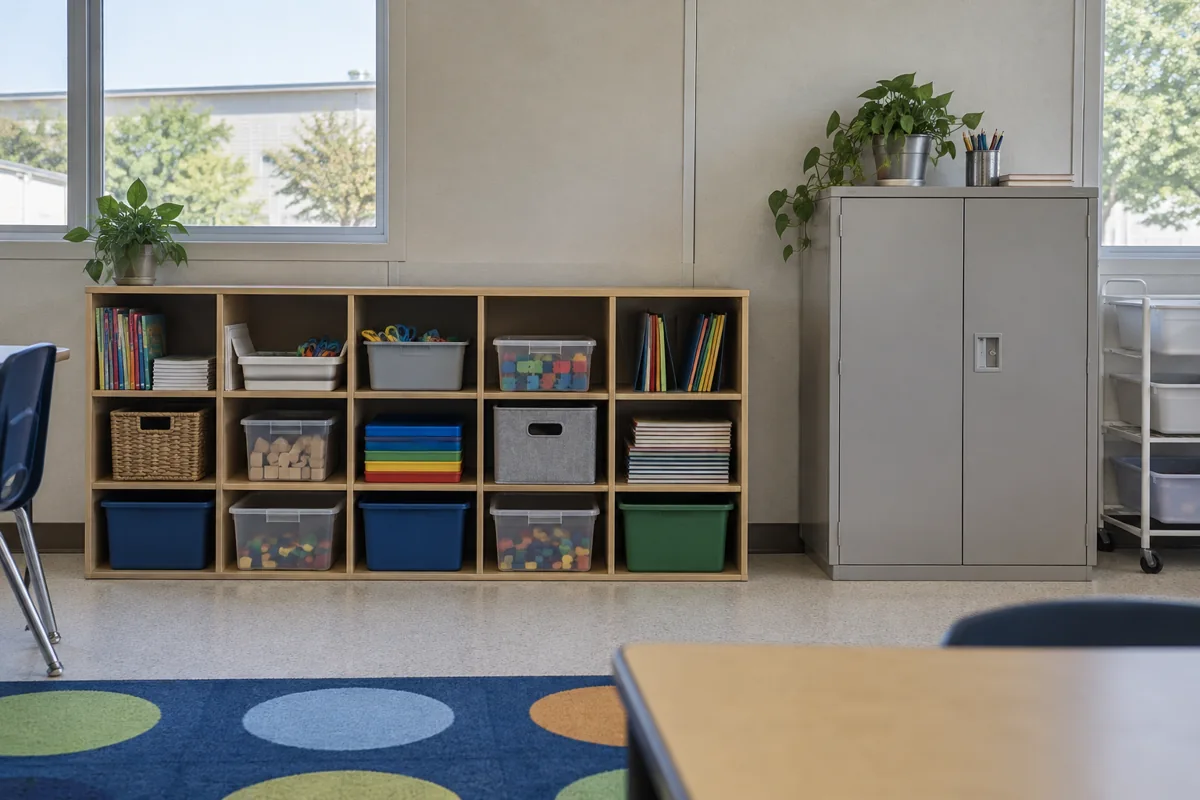
Review classroom layout options with the significant items shown. Explain what stays in the room between lessons. A plan can look more open than the working arrangement if one group's materials have simply been omitted.
For example, an ongoing activity may require work to remain set out. If the next class needs the same surface, decide how that handover works. Storage or another configuration may help, but the solution should be part of the plan rather than left to staff after the building is selected.
Judge flexibility by the routine it requires
Ask staff what resetting the room involves. Moving a few items may be ordinary; substantial rearrangement between every group may be less practical. The purchasing discussion should recognize that difference without assuming loose furniture makes all uses equally easy.
Your California school can compare modular classroom choices with shared features and group-specific resources distinguished. An optional fitting should be judged by the task it supports, not just its apparent versatility.
Check where materials belong when not in use. A trolley, cabinet or worktable needs a real position, even if it moves during instruction. If the plan depends on storing resources elsewhere, confirm that arrangement is available.
Have relevant technical requirements assessed appropriately. Staff input explains the intended operation; it doesn't establish every design or access condition simply because the groups agree on a routine.
Distinguish shared ownership from shared availability. A resource used by several groups may need a clear handover, and a classroom purchase should not rely on everyone having access to the same item simultaneously.
Price the arrangement the school will use
Confirm included features and school-provided items. If sharing depends on a separate purchase, keep it beside the building offer in the comparison. A necessary resource remains a cost even when another team is responsible for obtaining it.
The building cost guide helps frame wider questions about supporting work. Obtain specific figures where possible and keep unresolved responsibilities visible.
Choose classroom space with a workable shared setup and an understood scope. That lets the school compare prices for useful teaching provision rather than buy a room whose flexibility depends on constant rearranging or resources nobody has yet arranged to supply.