
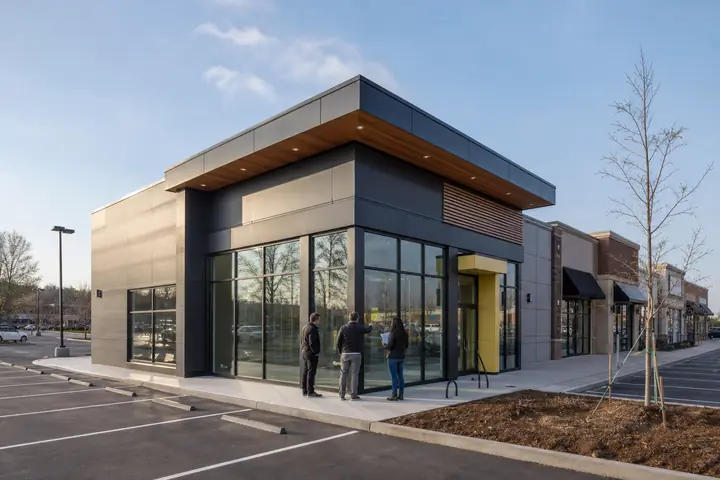
Many building searches start with “How much space can we get?” A stronger Rock Hill project starts with “What result must this space deliver?” The answer may involve public service, private work, training, healthcare, storage or several uses under one roof. A short, disciplined project brief turns those needs into information that designers, site contractors and building suppliers can price consistently.
South Carolina options provide useful statewide context, but they cannot substitute for the operating, property and procurement facts that belong in the Rock Hill brief itself.
Bring the right decisions together early
Ask operations to define people and workflow, facilities to document the property, finance to set comparison rules and leadership to identify the deadline and acceptable tradeoffs. Give one person responsibility for the current brief. Conflicting room lists and different versions of the site assumptions are an easy way to receive proposals that cannot be compared.
The brief should name occupancy, hours, public access, privacy, equipment, furniture, storage, utilities and accessibility needs. It should also distinguish required performance from preferences. Teams can review commercial modular building types for application ideas, but the chosen use must still be translated into a project-specific room program.
Connect the building scope to the property
Add an accurate site plan, delivery access, installation area, foundation assumptions, utility locations, parking and the accessible route. Note activities that must continue during site work. A modular unit can be produced away from the property, but the site still has to be ready for delivery, connections and safe occupancy.
Use the installed modular building planning guide to check for scope gaps. Every proposal should say who owns design coordination, freight, site preparation, foundations or supports, utility connections, stairs or ramps, installation, inspections and closeout. Confirm requirements with the applicable authorities and qualified professionals; a national product category does not create one universal local approval path.
Evaluate proposals by decisions, not page count
Create a comparison sheet before proposals arrive. Record the base building, site work, allowances, exclusions, schedule assumptions, payment structure and change process. When an option is less expensive, identify the actual reason. A smaller room program, shorter term, different finish level or omitted responsibility is a decision—not an automatic saving.
Keep useful alternatives visible. A supplier may offer a more efficient layout, a phased approach or a temporary option that protects the main operation. Ask for those choices as separate prices instead of allowing them to blur the base scope. When the brief is ready, compare current modular building prices for the same finished result. That gives the Rock Hill team a defensible selection and a cleaner path from approval to execution.