
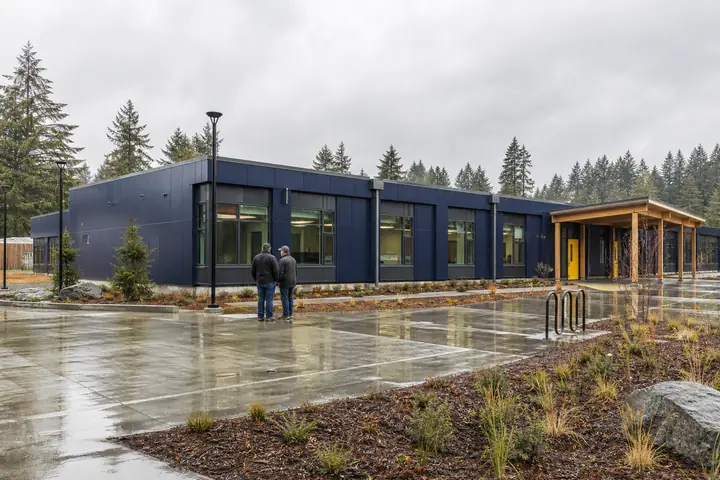
Temporary space can protect operations during renovation, repair or a larger relocation, but the move into it and the move out both require planning. A West Haven modular swing-space project should define what work must continue, what can pause and how staff, records and systems transition twice.
Set the period of use with an uncertainty range. Identify the business event that authorizes return or extension rather than relying only on a target date.
Move only what the temporary operation needs
Inventory furniture, records, devices, supplies and shared functions. Separate essential daily items from archives or equipment that can remain securely elsewhere. This can reduce building area and move effort without asking staff to work from improvised storage.
Review modular office plans for the temporary workflow, not a smaller copy of the permanent facility. Provide suitable meetings, privacy, breaks and accessible circulation. If teams will share rooms differently, publish the operating method before the move.
Run essential tasks after systems are installed. Verify credentials, communications, printing, secure records and support contacts while the original workplace remains available as a fallback.
Publish the temporary room map and service changes before staff relocate. Employees need to know which shared functions moved, what remains in the original facility and how visitors receive directions. Confusion during the first week should not become an informal operating system.
Plan the site and contract for change
Compare portable building rental options with extension, maintenance, modification, damage and return terms visible. Site improvements, foundations, connections, accessible routes and restoration may remain owner costs even when the structure is rented.
Connecticut requirements and West Haven reviews must be verified for the actual property and temporary occupancy. Qualified parties should confirm structural, foundation, energy, fire, accessibility and utility obligations.
Preserve removal access and document property condition before installation. Later renovation activity, parking changes or stored materials should not occupy the route needed to disconnect and recover the building.
Track the permanent project's milestones independently from the swing-space agreement. If the return date begins to move, management should see the effect on rental term, staffing, site access and seasonal conditions early enough to compare choices rather than accept a rushed extension.
Compare the two moves and the use between them
Price setup, technology, furniture handling, staff relocation, rent or purchase, site work, maintenance, removal and restoration. The installed cost guide helps keep the temporary facility's full lifecycle in view.
When requesting West Haven modular building prices, provide the move phases and possible extension scenario. A responsible proposal should support continuity now and an orderly exit later.
After return, reconcile keys, equipment, records and repairs before the temporary building leaves. One signed inventory and condition review can prevent open questions from continuing after crews and staff have dispersed.