
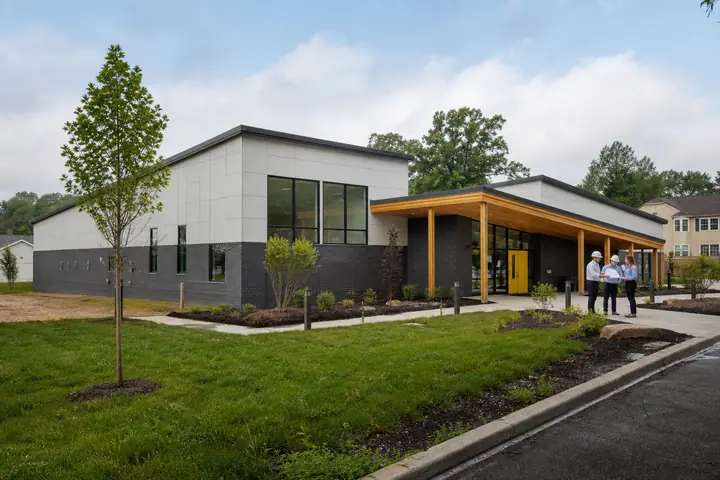
Closeout determines whether a finished structure becomes usable space. Systems must operate, deficiencies need ownership, documents must match the field and staff need the information to run the building. A Bristol project should define those expectations early instead of creating a final checklist after contractors begin leaving.
Connecticut product options provide general context. The Bristol handoff should be tailored to the selected building, site work and organization responsible for operation.
Define completion by function
List the conditions required for occupancy: safe access, working utilities, tested controls, finished rooms, required inspections, cleaning and corrected critical items. Separate minor work that can remain from problems that prevent normal use.
Assign acceptance responsibility for building, site, entrance and utility scope. Qualified professionals and authorities must conduct the reviews required for the project; a supplier statement alone does not replace them.
Keep one deficiency record
Walk the furnished plan and actual property systematically. Record the location, issue, responsible party and target correction. Photograph conditions when useful and verify completed work rather than closing an item from a verbal update.
Prioritize deficiencies by effect on safe access, system operation, required approvals and daily work. A small cosmetic item and a control that prevents normal use should not compete for attention on an undifferentiated list. Establish who may accept a minor condition temporarily and what evidence is required to close it later. Keep the owner’s occupancy activities—furniture, technology, supplies and move coordination—visible beside contractor work so one group does not wait for a room that is physically finished but operationally incomplete.
Schedule a follow-up after initial use. Occupants may identify a control, door, storage or acoustic issue that the empty-building walk-through could not reveal.
Keep that follow-up focused on the agreed scope and documented performance rather than reopening every preference. Record new operating lessons separately from incomplete contract work.
Test doors, controls, representative fixtures, technology locations and maintenance access under ordinary operating conditions. The installed modular guide helps keep field connections and restoration in the same closeout picture as factory work.
Transfer knowledge with the building
Collect accurate final drawings, equipment information, stated warranties, keys, controls guidance and maintenance documents. Train the people who will handle routine operation and first response, while reserving specialized work for qualified service.
Include these deliverables when you request current modular building prices. A sound Bristol proposal should explain not only what will be installed, but also how the owner receives a documented, tested and manageable place to work.